Featured Wireless Audio & AI Camera Glasses for Wholesale
High-precision smart eyewear manufactured to strict ISO9001 and Japanese market compliance standards. Fully customizable via OEM/ODM with private labeling support.
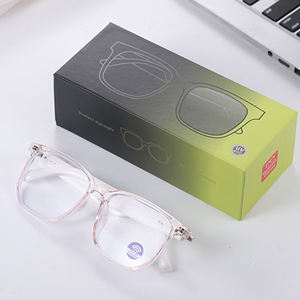
Professional Smart Audio Glasses Wireless 5.3 Anti-Blue Light Lenses IPX5 Waterproof
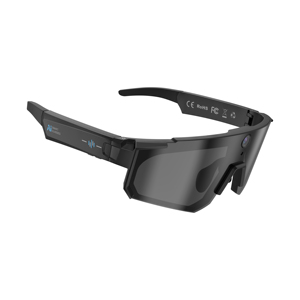
Smart AI Camera Glasses Video Recording & Real-Time Translation Sunglasses
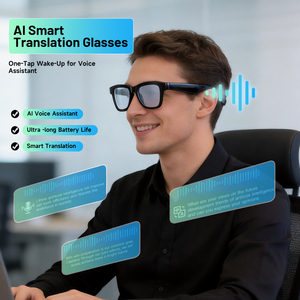
Factory Customized Call Answering Outdoor Sports AI Smart Glasses
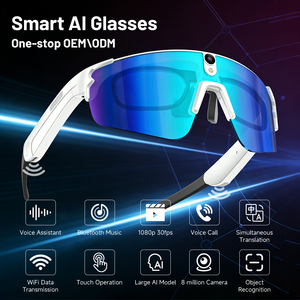
Stylish Elegant IP66 Waterproof 4K Video Smart Glasses Multi-Language Translation
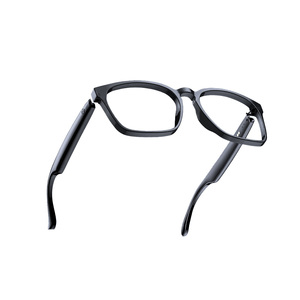
AI Translate Smart Glasses 6.0 Stabilized Recording Magnetic Sunglasses
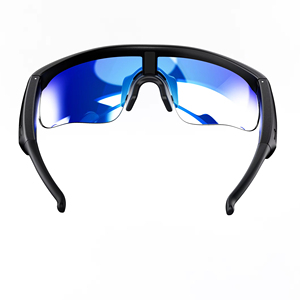
2025 Wireless Cycling Sunglasses Smart Sport Glasses UV Protection
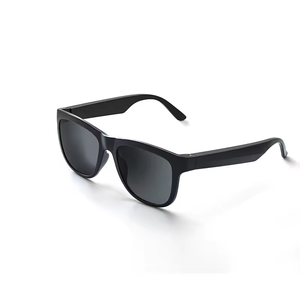
Mgitec Wireless Bluetooth Smart Audio Sunglasses Earphone Hardware
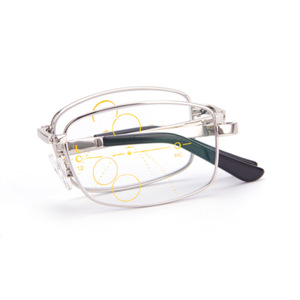
Smart Zoom Reading Glasses Blue Light Blocking Foldable Senior Eyewear
Tokyo Smart Audio Eyewear Market Analysis & Consumer Trends
Understanding why open-ear wireless audio glasses are disrupting traditional earphones across Akihabara retail, Shinjuku tech hubs, and Tokyo's massive commuting culture.
Japanese "Meiwaku" Etiquette & Zero Sound Leakage
In Tokyo's high-density urban transit system (such as the JR Yamanote Line and Tokyo Metro), public acoustic privacy is paramount. Japanese consumers strictly avoid sound leakage ("Meiwaku"). Our Chinese factory solves this through Reverse Sound Wave Phase Cancellation micro-speakers, directing audio strictly into the wearer's ear canal while keeping exterior leakage below 12dB at 70% volume.
Bilingual AI Voice Translation for Marunouchi Professionals
Tokyo serves as a global financial epicentre. Corporate buyers in Marunouchi and Roppongi require seamless multi-language communication. Our smart glasses integrate low-latency BLE 5.3 SoCs that sync with iOS/Android translation engines, delivering real-time Japanese-to-English and Japanese-to-Mandarin whispering translation directly into the user's ears during international business meetings.
Asian Nose Bridge Fit & Lightweight Ergonomics
Western smart glasses frames frequently slip down Asian nose bridges due to flat cheekbone geometry. Shenzhen Ennava custom-engineers ergonomic TR90 frames with high-silicone nose pads, 15-degree flexible spring hinges, and total weight under 38g, guaranteeing all-day wearability for Tokyo office workers and cyclists along the Arakawa River.
Information Gain Insight for Tokyo Importers & Wholesalers:
While traditional TWS earbuds cause inner ear canal fatigue and safety hazards during city walking, open-ear audio glasses allow Tokyo commuters to remain aware of train announcements and traffic signals while enjoying high-fidelity music or taking hands-free calls. Sourcing directly from an established Shenzhen OEM manufacturer provides Japanese buyers with a 45%-60% margin advantage over localized domestic brands.
Rigorous Standards for Exporting Smart Eyewear to Japan
Japanese consumer electronics retail standards demand strict spectrum compliance, precise acoustic engineering, and zero safety compromises. Here is how our factory guarantees export compliance.
| Technical Metric / Certification | Ennava Factory Standard Specification | Tokyo / Japan Market Compliance Fit | B2B Buyer Advantage |
|---|---|---|---|
| RF Wireless Protocol | Bluetooth 5.3 + EDR Dual Mode (Realtek / JL Chipsets) | TELEC (Giteki) Technical Conformity Certified | Zero spectrum fine risk; ultra-fast auto-pairing in crowded Tokyo subways |
| Acoustic Architecture | Open-Ear Dual Micro-Speakers + Directional Sound Cavity | Sub-12dB Acoustic Leakage (Meiwaku Standard) | High customer satisfaction in Japan's public transport environment |
| Battery Safety & PSE | Pure Cobalt High-Density Lithium Polymer (110mAh - 300mAh) | PSE Mark Certified (Electrical Appliance & Material Safety) | Hassle-free customs clearance at Tokyo (NRT/HND) & Yokohama ports |
| Waterproof / Dustproof | IPX5 to IP66 Nano-Coated Circuit Boards | Rain & Sweat Resistant for Tokyo Commuters | Durable outdoor sports usage for cycling, running, and urban walking |
| Frame Material & Optics | Swiss EMS TR90 / Acetate + Anti-Blue Light / UV400 TAC Lenses | JIS (Japanese Industrial Standards) Optics Compatible | Lenses easily replaceable by local Japanese optical shops (e.g., JINS, Zoff) |
Why Tokyo Importers Trust Shenzhen Ennava Technology
As a direct China manufacturer specializing in smart eyewear, we eliminate intermediary trading costs while providing full supply chain transparency and custom hardware engineering.
7 to 10 Days Rapid Sampling
From CAD frame adjustments to laser-etched Japanese logo branding, our rapid prototyping shop delivers fully functional samples in 7-10 working days, accelerating your time-to-market in Japan.
Full-Process Quality Control
Every production batch undergoes 100% audio frequency spectrum analysis, high-temperature hinge endurance testing, waterproof dunk testing, and 24-hour battery aging checks before export packaging.
Custom Private Label Packaging
We provide localized Japanese retail gift packaging, customized Japanese user manuals (取扱説明書), magnetic charging cables, and microfiber cleaning cloths tailored for Japanese consumers.
Frequently Asked Questions for Wholesale & Import
Clear answers regarding certification, minimum order quantities (MOQ), customs logistics, and custom branding for Japanese buyers.
Does your factory provide TELEC (Giteki) certification for the Japanese market?
Yes. For Japanese buyers, radio spectrum compliance (MIC / TELEC / Giteki certification) is mandatory. We provide models pre-certified with TELEC radio module approvals or assist custom OEM buyers in obtaining dedicated TELEC certificates prior to mass shipment to Tokyo.
What is the Minimum Order Quantity (MOQ) for custom private label orders?
For in-stock wholesale items, our MOQ is as low as 20 to 50 units. For custom private label branding (laser-etched logo on temples, customized Japanese gift box, and Japanese manual), the standard MOQ starts at 500 units per model.
How do you prevent audio leakage to meet Japanese social etiquette standards?
Our engineering team utilizes dual directional cavity structures combined with anti-phase acoustic wave algorithms. Sound waves are focused at a tight 30-degree angle directly toward the user’s ear canal, minimizing sound radiation into adjacent spaces on quiet trains or buses.
Can Japanese optical stores replace the default lenses with prescription lenses?
Absolutely. Our smart audio glasses frames feature standard eyewear groove dimensions (standard V-groove structure). Optical retailers across Tokyo (such as in Shibuya, Ginza, or Akihabara) can easily swap the default anti-blue light or sunglass lenses with custom prescription (myopia) lenses.
What is the lead time for shipping mass wholesale orders to Tokyo ports?
After sample approval and deposit confirmation, mass production requires approximately 15 to 22 days. Air freight to Narita (NRT) or Haneda (HND) takes 3-5 days, while ocean shipping to Yokohama or Tokyo port takes around 7-10 days.
What warranty and after-sales support do you offer to Japanese distributors?
We offer a 12-month quality guarantee on all electronic components (motherboard, Bluetooth SoC, battery, micro-speakers). Spare parts or replacement units are provided in bulk shipments to resolve any localized consumer claims immediately.