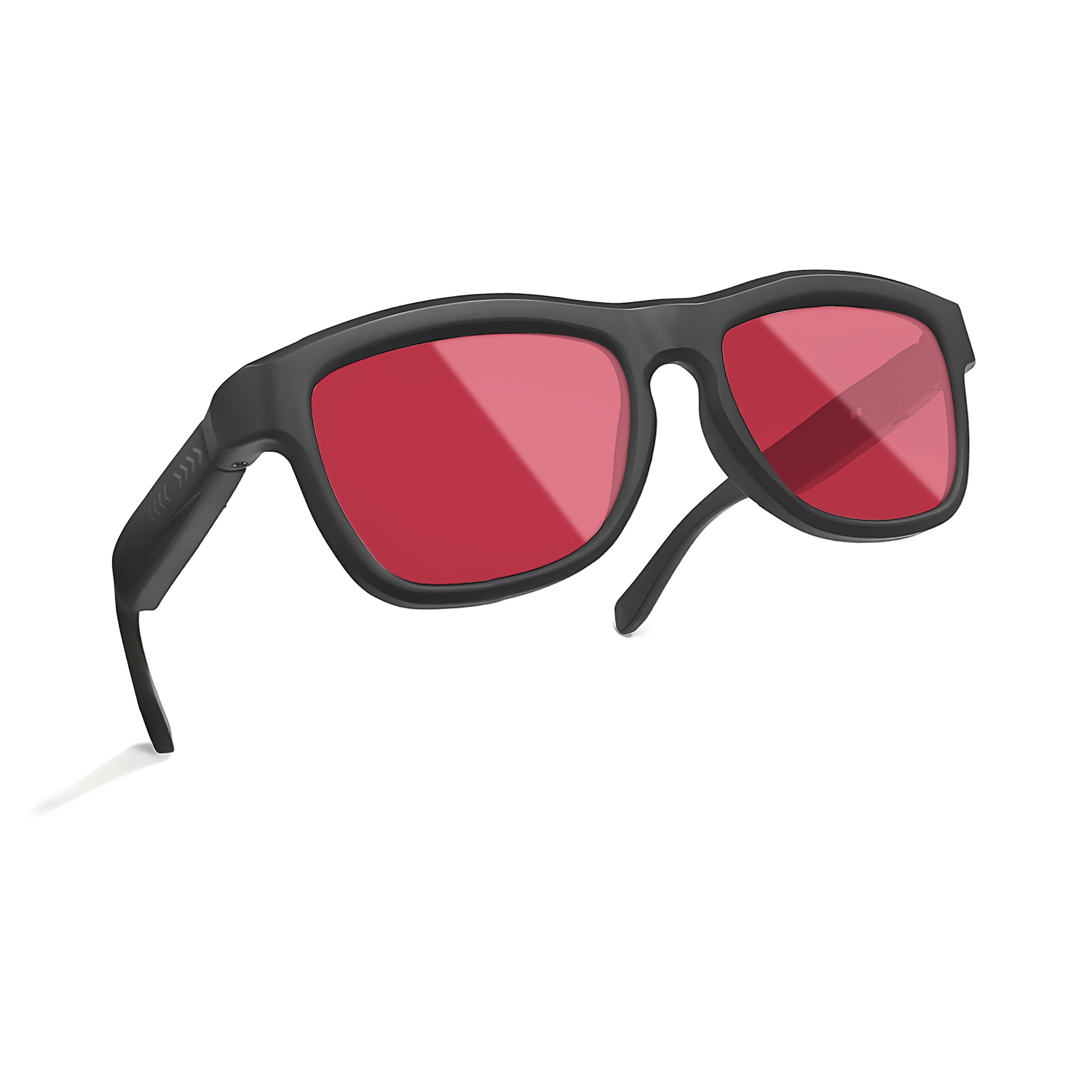
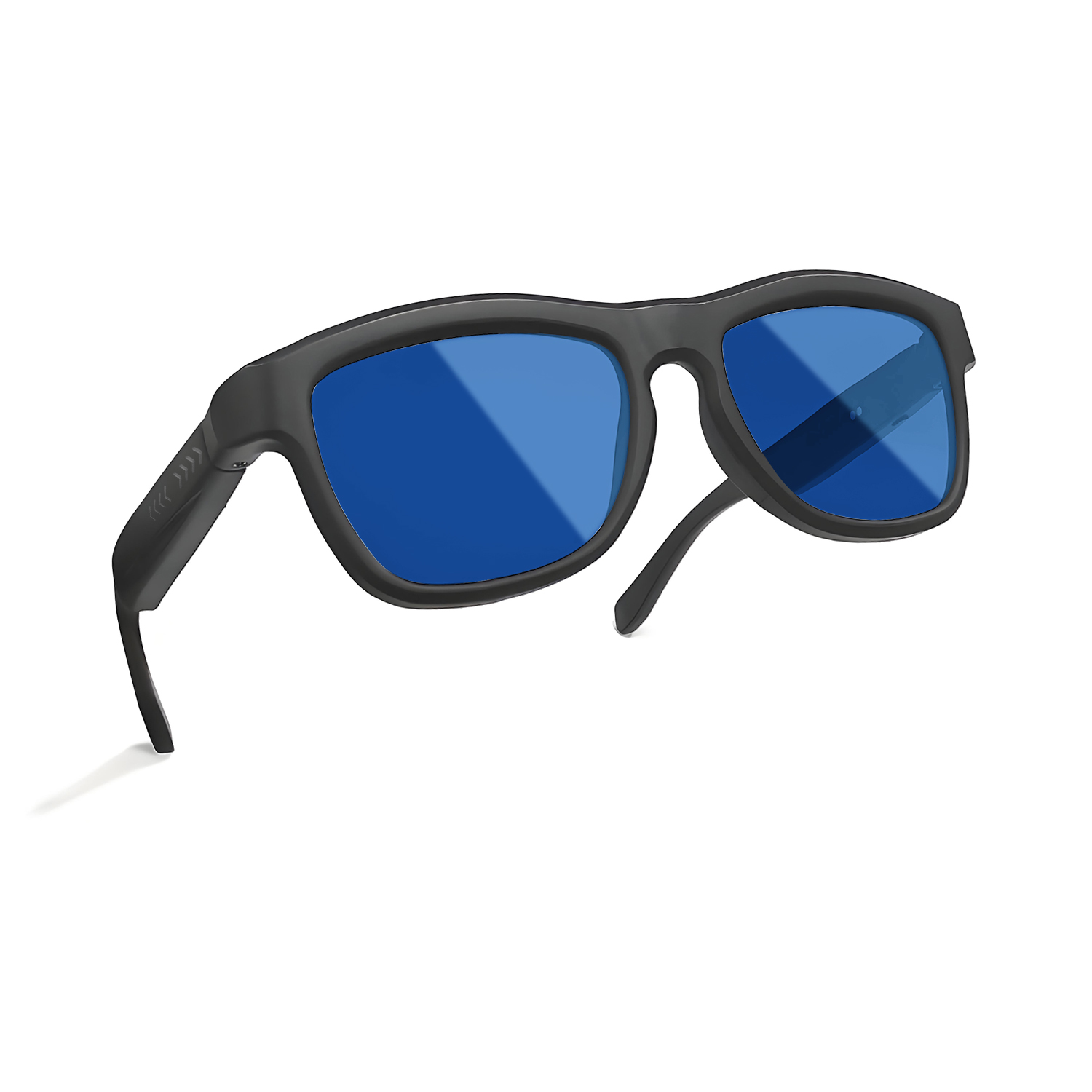
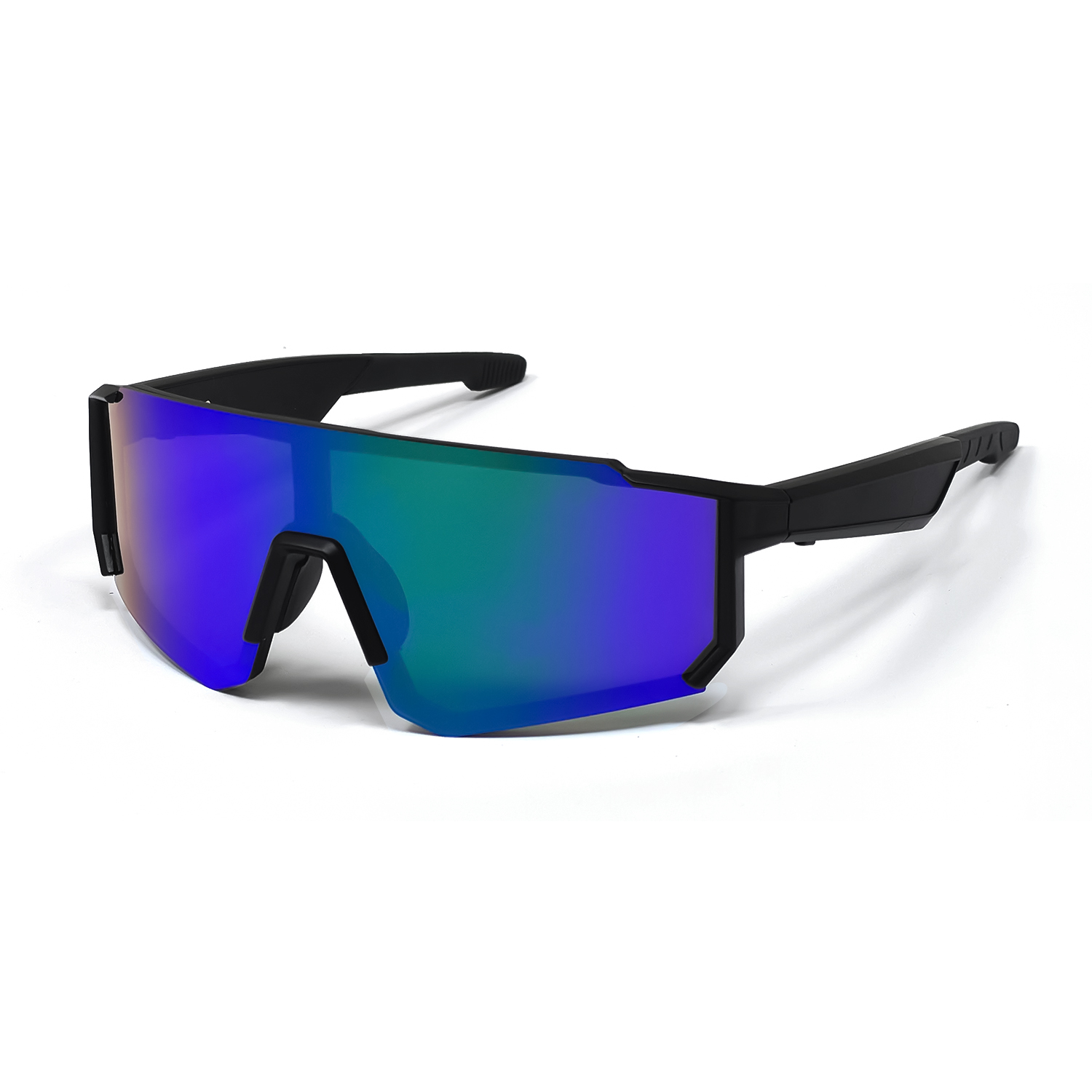
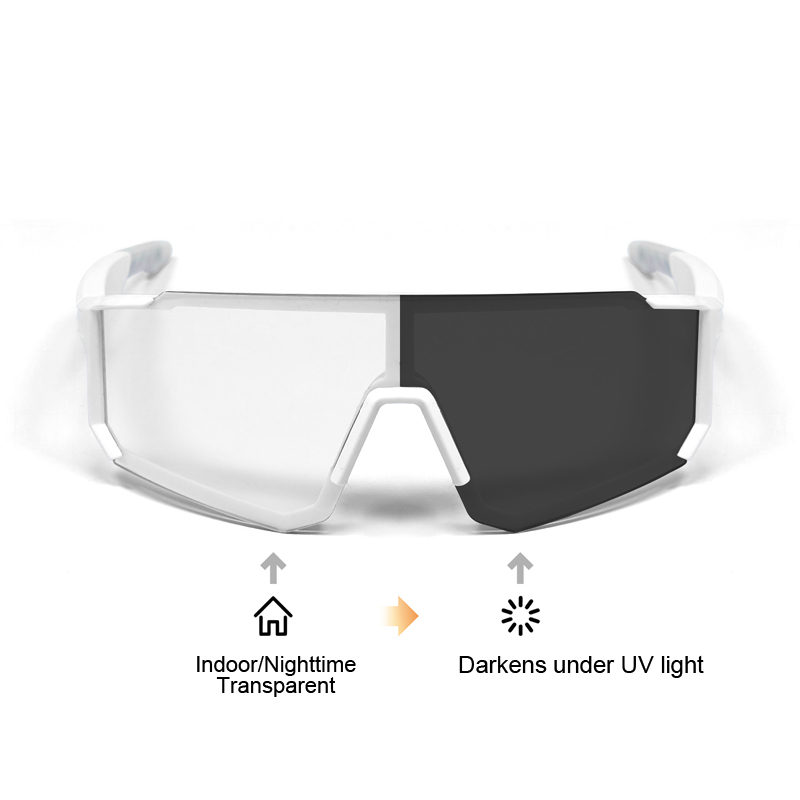
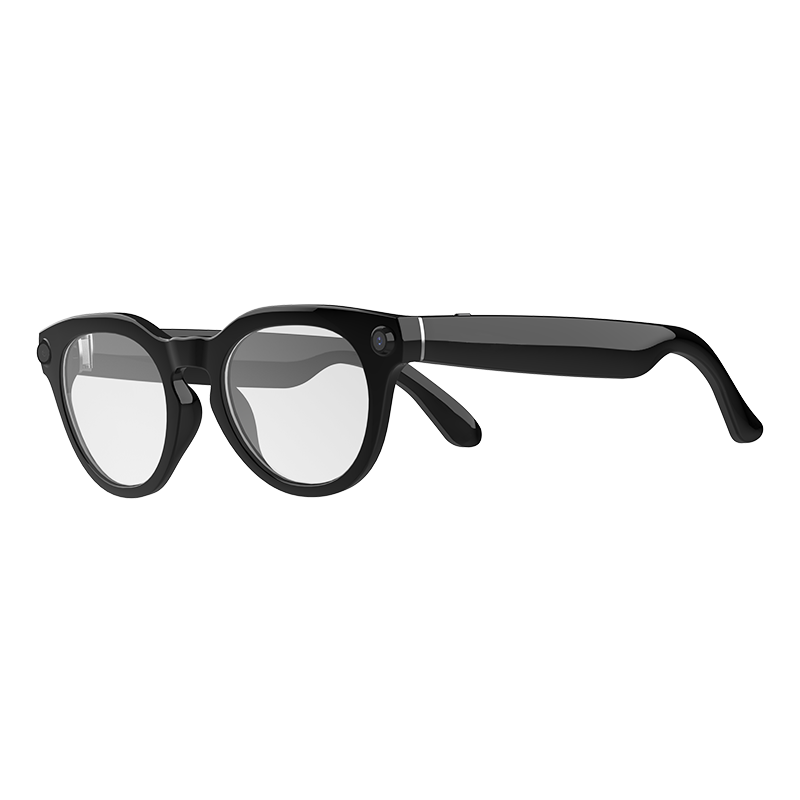
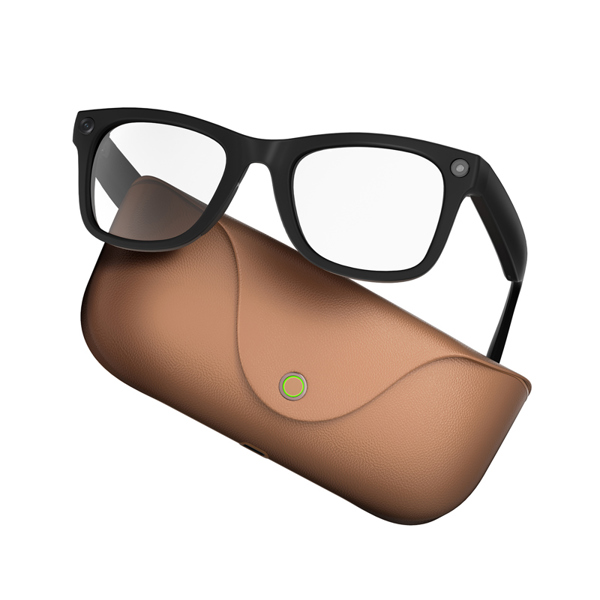
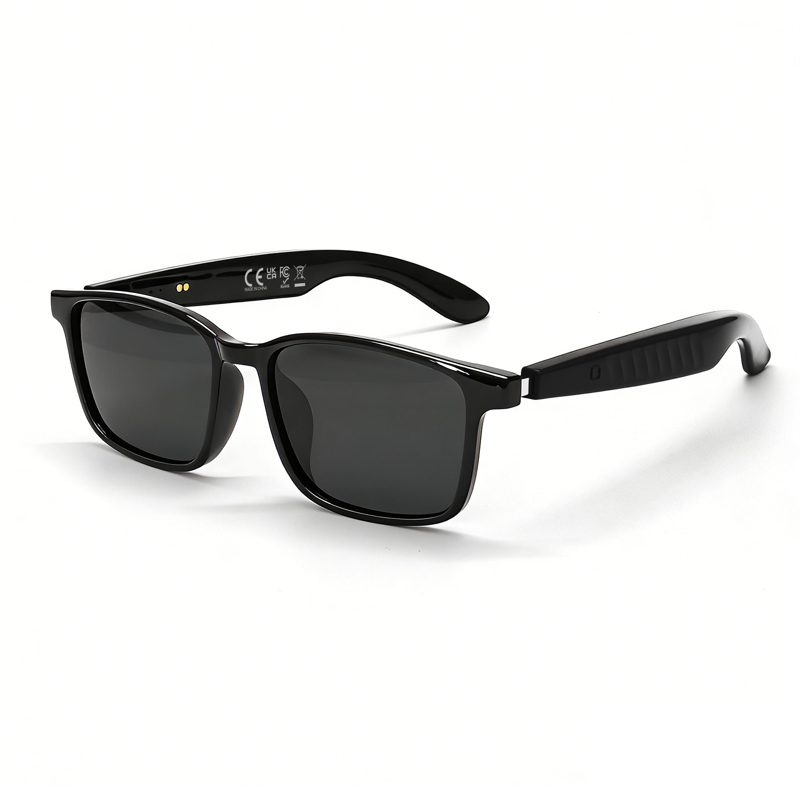
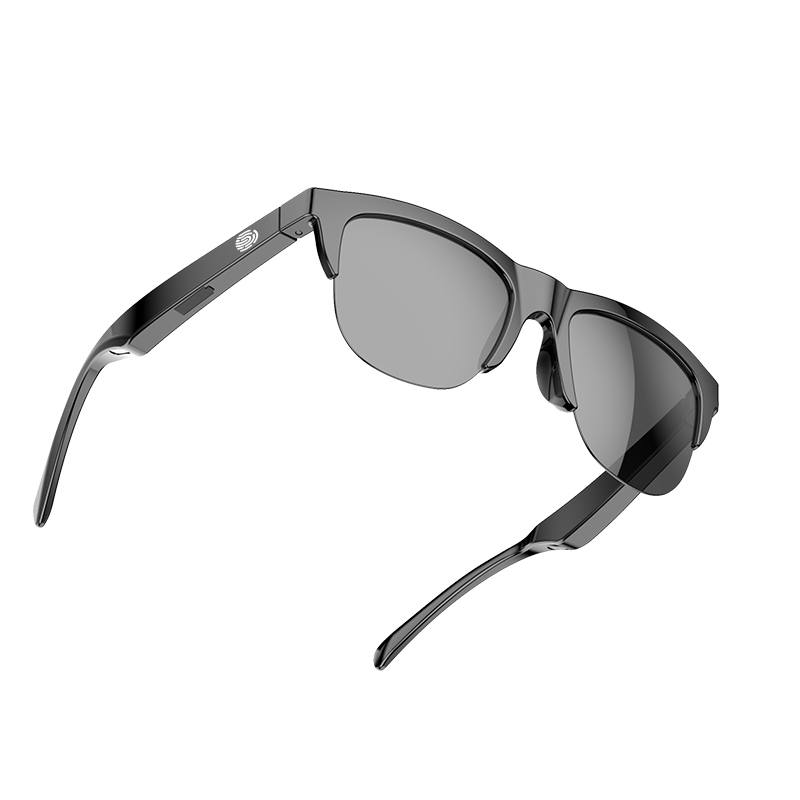
What is the core technical difference between Electronic Tint Smart Glasses and Photochromic sunglasses?
Electronic Tint Smart Glasses utilize liquid crystal or electrochromic (EC) thin-film technology controlled via electrical current, allowing tint transitions in under 0.1 to 1.0 second upon touch or automated sensor triggers. Traditional photochromic lenses rely on chemical reactions triggered by ultraviolet (UV) radiation, requiring 30 to 60 seconds to darken and up to several minutes to clear. Crucially, electronic tint glasses function inside vehicles behind UV-blocking windshields, whereas photochromic lenses remain clear and fail to reduce dashboard glare.
Does activating the electronic tint feature drain the Bluetooth audio battery quickly?
No. Shenzhen Ennava Technology Co.,Ltd. utilizes ultra-low-power micro-amperage EC driving ICs. Current is drawn primarily during state changes (tinting or clearing), while static tint retention consumes virtually zero micro-amperes. As a result, activating electronic tinting has an imperceptible impact on overall battery autonomy, allowing users to enjoy 5 to 8 hours of continuous Bluetooth audio playback and call time on models such as the GV-90.
What OEM/ODM and Private Label customization options does Shenzhen Ennava Technology Co.,Ltd. provide?
We provide complete end-to-end B2B customization, including custom frame colorways (injection or hand-polished acetate), silk-screened or laser-engraved brand logos on temples, tailored Visible Light Transmission (VLT) spectrum settings, custom Bluetooth pairing names, bespoke startup audio chimes, customized retail gift boxes, user manuals in multiple languages, and branded protective carrying cases.
What certifications are available for importing electronic tint smart glasses into EU and US markets?
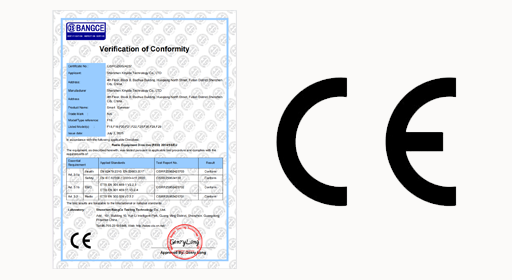
All products manufactured by Shenzhen Ennava Technology Co.,Ltd. meet strict international standards. Depending on your destination market, we supply CE (RED), FCC ID, RoHS 2.0, REACH, UN38.3 battery transport certification, and MSDS test reports to ensure uninterrupted customs clearance and compliant listing on global platforms like Amazon and optical retail chains.
What is the typical sampling turnaround time and mass production lead time?
Standard customized OEM/ODM samples are completed and dispatched within 7 to 10 working days after structural and branding designs are confirmed. Mass production orders generally ship within 20 to 30 days, depending on batch quantity and custom packaging requirements.
How do electronic tint smart glasses withstand extreme weather and moisture?
Our smart frames are constructed with IPX4 water-resistant acoustic sealing and anti-corrosion optical lamination. Electrochromic films are hermetically sealed between TAC polarized protective layers, preventing moisture ingress and delamination during high-humidity sports, rainy cycling, or exposure to sweat.
Can prescription lenses (Rx) be combined with electronic tint smart glasses?
Yes. Shenzhen Ennava Technology Co.,Ltd. offers specialized frame designs featuring detachable magnetic optical inner clip-ons or Rx-compatible inner rims. This enables end-users to fit custom corrective lenses behind the main electrochromic outer lens without affecting electronic tint performance.
What quality assurance steps are taken to prevent batch defects?
We execute a 5-stage Quality Control workflow: Incoming Quality Control (IQC) on raw materials and Bluetooth SoCs, In-Process Quality Control (IPQC) during lens lamination and soldering, 100% electrochromic tint switching speed testing, 100% acoustic audio frequency sweeps, and Final Quality Assurance (FQA) before shipping.