Featured Smart Glasses & Electrochromic Eyewear Series
Direct factory catalog engineered for Osaka optics importers, enterprise buyers, and retail distributors.
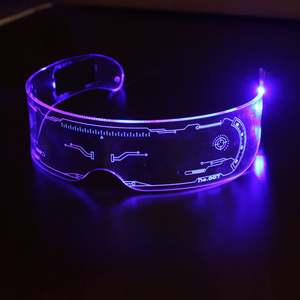
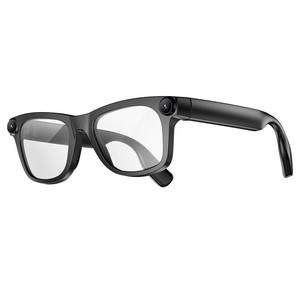
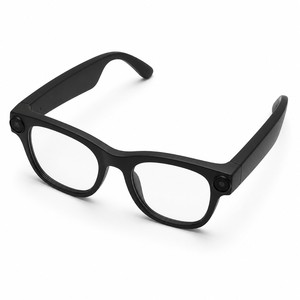
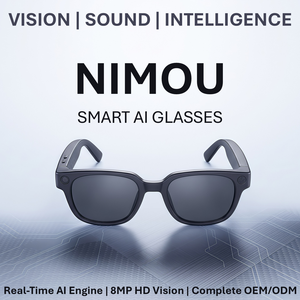

Executive Whitepaper: Electrochromic Auto-Dimming Eyewear Technology for the Japanese Market
The global eyewear landscape is undergoing a technological paradigm shift. Traditional photochromic (transition) lenses, which rely on ultraviolet chemical reactions taking up to 3 to 5 minutes to tint and clear, no longer meet the safety and convenience standards required by modern urban infrastructure and industrial environments. In dense metropolitan hubs like Osaka, Japan, rapid lighting variations—such as entering subterranean transit hubs from blinding surface sunlight or navigating the elevated Hanshin Expressway system—demand instantaneous optical adjustment.
As a specialized auto dimming glasses manufacturer operating from high-precision engineering facilities in Shenzhen with dedicated distribution logistics for Osaka, Shenzhen Ennava Technology Co., Ltd. delivers next-generation Electrochromic (EC) and Liquid Crystal (LC) dynamic tint technology. Unlike photochromic solutions, our electronic auto-dimming smart glasses utilize active photodiode micro-sensors coupled with low-power microcontrollers to adjust Visible Light Transmittance (VLT) dynamically from 10% to 45% in less than 0.1 seconds.
This document serves as an exhaustive technical guide for procurement directors, retail optical chains, industrial safety managers, and B2B electronics importers across the Kansai region seeking trustworthy OEM/ODM manufacturing partners for auto-dimming and AI-integrated smart eyewear.
Electrochromic (EC) & Liquid Crystal (LC) Tech Architecture Explained
To establish competitive differentiation in the Japanese optical market, B2B buyers must understand the underlying physics separating active electronic auto-dimming from legacy reactive chemistry.
Ambient Lux Sensing
Embedded millimeter-scale photodiodes continuously sample light intensities in real time. Micro-code algorithms filter transient glares to prevent unnecessary flickering, instantly triggering state changes when lux levels cross defined thresholds.
Micro-Power Driver Logic
Utilizing flexible indium tin oxide (ITO) conductive film sub-layers, our LC matrices require under 0.5mA of working current during state transitions and minimal static bias, yielding up to 48 hours of continuous active tinting per battery charge.
TAC Polarized UV400 Protection
The auto-dimming LC cell is sandwiched between high-efficiency Tri-Acetate Cellulose (TAC) polarizing films. This composite block eliminates 99.9% of specular reflection while offering certified UV400 shielding against UVA and UVB spectrums.
Engineering Matrix: Electrochromic Tinting vs. Legacy Photochromic Lenses
When presenting products to discerning Japanese enterprise customers, technical precision is paramount. The table below details why electronic auto-dimming represents an imperative upgrade over traditional photochromic eyewear.
| Performance Vector | Ennava Electronic Auto-Dimming (EC/LC) | Standard Chemical Photochromic Lenses | Osaka Commercial Application Advantage |
|---|---|---|---|
| Activation Velocity | < 0.1 Seconds (Instantaneous) | 60 to 180 Seconds (Slow Reaction) | Immediate visual acuity when entering dark tunnels or shaded streets in Osaka. |
| Clearing Velocity | < 0.1 Seconds (Step-less or Discrete) | 180 to 450 Seconds (Residual Darkening) | Prevents dangerous visual blindness when stepping indoors or into covered transit hubs. |
| UV Independence | Activates via Ambient Lux (Visible Light) | Requires Direct UV Rays (Fails behind glass) | Functions inside automobiles, Hanshin Expressway buses, and UV-filtered window office spaces. |
| Temperature Sensitivity | Stable Tint Performance (-10°C to +50°C) | Temperature dependent (Fails to darken in heat) | Maintains deep tint control during sweltering Osaka summer heatwaves (35°C+). |
| Manual Override | Supported (Touch tap / Slide control) | None (Purely passive environmental reaction) | User retains absolute autonomy over lens shade level during variable work tasks. |
| Secondary Hardware Integration | Combines with Bluetooth 5.3 Audio, Micro-Cameras & AI | Optical passive glass only | Allows multi-functional wearable smart tech suited for Osaka's tech-forward consumers. |
Localized Application Scenarios in Osaka & Kansai Infrastructure
Osaka is a unique, dynamic urban market characterized by a mix of high-density commercial corridors, coastal maritime zones, extensive rail networks, and heavy manufacturing sectors. Understanding these localized environments enables B2B buyers to position auto-dimming glasses effectively across distinct consumer and enterprise segments.
1. Hanshin Expressway & Suburban Osaka Driving
Osaka’s Hanshin Expressway network features frequent transitions between elevated sun-drenched viaducts and low-light covered passages. Standard sunglasses force drivers to remove eyewear constantly or endure unsafe darkness. Ennava’s electronic auto-dimming smart glasses react in 0.1 seconds to light changes inside vehicles—where traditional photochromic lenses fail because windshield glass blocks UV rays. This makes our auto-dimming glasses an essential automotive accessory for Kansai commuters.
2. Osaka Bay & Nanko Logistics Freight Operators
Port facilities in Osaka Bay and Nanko Logistics Hub involve indoor container warehouses alternating with outdoor dockyards. Crane operators, forklift drivers, and cargo handlers suffer severe eye fatigue from intense sun glare off the water transitioning into dim indoor aisles. Auto-dimming glasses equipped with polarized TAC lenses instantly equalize lux levels, enhancing workplace safety and reducing operational strain.
3. Urban Commuting: Umeda, Namba, and Underground Malls
Osaka boasts vast underground shopping network labyrinths such as Whity Umeda and Namba Walk. Pedestrians emerging into bright sun at street level experience harsh glare, while stepping back underground wearing dark lenses is uncomfortable and disorienting. Electronic tinting eyewear adjusts instantly upon crossing building thresholds, appealing directly to Osaka's millions of daily urban rail passengers.
4. Outdoor Recreation & Cycling Along Yodo River
Sports cycling along the Yodo River basin and outdoor trekking in Minoh National Park require high visual clarity across sunlit open paths and heavily shaded tree canopy cover. Auto-dimming sports glasses (like our QY-PRO01 series) give athletes real-time VLT adaptability alongside open-ear Bluetooth audio for safe navigation during group rides.
Localized Market & Tech Trends Across Japan & Osaka (2026-2030)
The Japanese wearable electronics sector is characterized by strict quality expectations, an aging demographic demanding superior eye protection, and rapid adoption of voice-assisted technology. Sourcing directors looking to capture market share in Osaka must align product offerings with four primary localized trends:
1. Convergence of Electrochromic Optics with AI & Audio
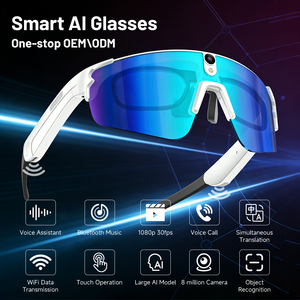
Japanese consumers prefer sleek, minimalist all-in-one wearables over single-purpose gadgets. The fastest-growing market segment combines electronic auto-dimming lenses with open-ear directional audio speakers and real-time AI translation (such as our G61 and GL12 platforms). Business travelers moving between Kansai International Airport (KIX) and international trade expos rely on these smart glasses for seamless hands-free communication and adaptive sun protection.
2. Heightened Demand for Industrial Safety Compliance
Manufacturing enterprises in Higashiosaka are increasingly adopting smart eyewear to enhance worker safety. Auto-dimming safety-rated frames protect technicians operating precision welding, laser machining, and outdoor construction equipment from hazardous light spikes without requiring manual lens swaps.
3. Minimalist Design Ergonomics for East Asian Facial Structures
Standard Western frame geometries frequently slip on Asian facial profiles due to differences in nasal bridge height and cheekbone contouring. Ennava’s specialized OEM molds for Japanese partners feature custom nose pads, ergonomic weight distributions (< 45 grams), and flexible TR90 memory temples ensuring long-term wearability without pressure point fatigue.
Enterprise Superiority: Shenzhen Ennava Technology as Your Primary OEM/ODM Engine
As an established B2B auto dimming glasses manufacturer supplying global brands and regional distributors in Osaka, Shenzhen Ennava Technology Co., Ltd. resolves the operational bottlenecks commonly encountered in custom wearable electronics manufacturing.
Rapid Prototyping: 7–10 Days
Speed to market determines success. Once specifications, logo artwork, and packaging vector files are approved, customized electrochromic smart glasses samples are assembled, tested, and dispatched to Osaka within 7 to 10 working days.
Multi-Stage Quality Control
Every batch undergoes stringent testing protocols, including optical spectrum verification, micro-drop resistance testing, Bluetooth acoustic tuning, and IPX5/IP66 waterproofing validation to guarantee zero-defect shipments.
Private Labeling Flexibility
We provide comprehensive branding support: laser-engraved logos on frame temples, customized silk-screen lens branding, Japanese-language retail gift packaging, Japanese owner manuals, and bespoke companion apps.
Frequently Asked Questions by Osaka & Japan Sourcing Teams
To streamline trade transactions for Kansai-based optics importers, enterprise procurers, and eCommerce sellers, our engineering and export compliance teams have compiled answers to common sourcing queries:
Partner with a Leading Auto Dimming Glasses Manufacturer
Scale your smart eyewear product line with factory-direct electrochromic technology engineered for Osaka and global B2B distributors.
Get Catalog