Featured OEM/ODM Smart Eyewear Solutions
Precision-engineered smart frames featuring AI audio translation, micro-camera integration, directional acoustic wave-guides, and dynamic electrochromic tint control.
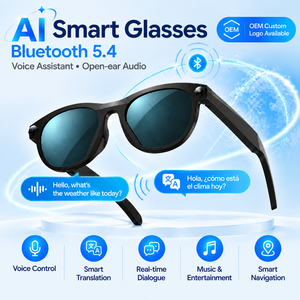
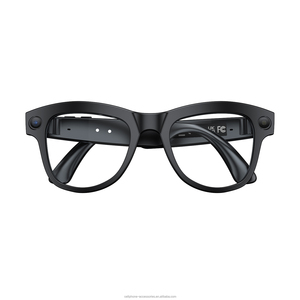
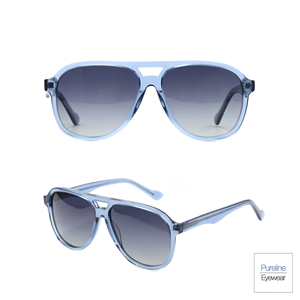
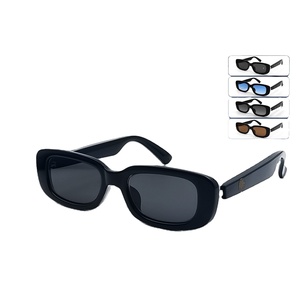
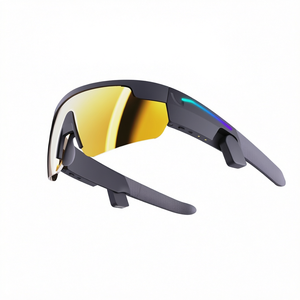
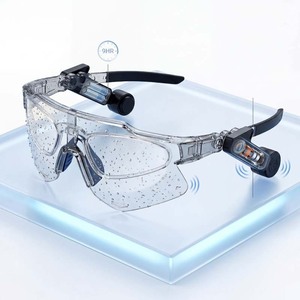
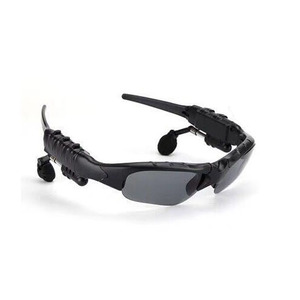
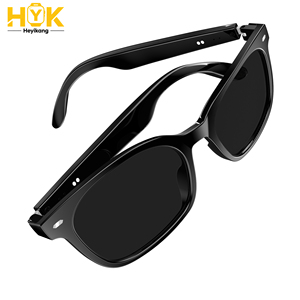
Precision Tooling & Mold Manufacturing
Utilizing high-precision CNC machining and micro-injection molding to engineer lightweight TR90, acetate, and titanium frames integrated with ultra-thin Flexible Printed Circuits (FPC).
End-to-End OEM/ODM & Private Label
Complete structural adaptation, CMF customization, customized firmware/SDK integration, custom packaging design, and laser logo etching for global brands.
Strict 5-Stage Quality Assurance
Comprehensive IQC, IPQC, FQC, and OQC testing protocols featuring anechoic acoustic chambers, optical alignment verification, IPX5 water-resistance testing, and drop resistance tests.
Top 10 Smart Glasses Frame Manufacturers & Factory Directory: Technical Evaluation & Sourcing Matrix
The global smart eyewear market is experiencing a profound paradigm shift. Transitioning from bulky, prototype-grade wearable electronics into sleek, ergonomically optimized optical fashion items, smart glasses frames now demand high-precision optoelectronic integration. Selecting a qualified smart glasses frame manufacturer requires analyzing more than just optical frame shaping. Buyers must evaluate advanced surface mounting (SMT), acoustic cavity tuning, RF antenna impedance matching within temple structures, thermal dissipation management, and strict international compliance standards.
This industry whitepaper provides global B2B buyers, procurement executives, brand managers, and technology distributors with a definitive analysis of the world's leading smart glasses frame manufacturing factories. It details technical evaluation criteria, manufacturing process benchmarks, future technological roadmaps, and strategic procurement frameworks.
Information Gain Insight: Modern smart eyewear manufacturing is no longer a simple assembly of electronics inside plastic temples. It requires micro-injection molding tolerances under ±0.02mm, biocompatible hypoallergenic materials (TR90, Swiss Grilamid, hand-polished Cellulose Acetate), multi-layered Flexible Printed Circuit (FPC) routing through 3.5mm temple hinges, and automated acoustic phase testing.
Key Evaluation Criteria for Smart Glasses Manufacturing Factories
When shortlisting high-tier smart eyewear factories, procurement teams should evaluate original equipment manufacturers (OEM) and original design manufacturers (ODM) across six critical dimensions:
- Micro-Structural Precision & Mold Fabrication: Ability to mold ultra-thin temple cavities that accommodate micro-speakers, dual MEMS microphones, 110mAh–300mAh high-density lithium polymer batteries, and camera chipsets without compromising structural integrity or weight distribution.
- Acoustic & RF Chamber Engineering: In-house anechoic chambers to measure directional open-ear sound leak cancellation, beamforming microphone signal-to-noise ratios (SNR), and Bluetooth 5.3/5.4 & WiFi 6 RF efficiency through frame density layers.
- Optoelectronic Integration Capabilities: Cleanroom facilities (Class 100,000 or higher) for aligning micro-display waveguides, electrochromic (EC) auto-dimming lens contacts, and 2MP to 5MP image sensors without dust contamination.
- Compliance & Export Certifications: Full documentation readiness, including CE, FCC, RoHS, REACH, UN38.3 (battery transport), MSDS, and FDA Class I medical optical device registration.
- Prototyping & Sampling Velocity: Capability to deliver fully functional, customized structural prototypes (including custom color, material, finish, and branded firmware) within 7 to 10 business days.
- Yield Rate & Defect Management: Automated optical inspection (AOI) and acoustic line testing that guarantee acceptable quality limit (AQL) standards of 1.0 Major / 2.5 Minor or better.
Comparative Matrix of Top Smart Glasses Manufacturing Hubs & Capabilities
| Factory Category / Region | Core Expertise | Target Product Line | Avg. Sample Time | Compliance Standards |
|---|---|---|---|---|
| Shenzhen Ennava Technology (Guangdong Hub) | AI Camera Integration, BLE 5.4 Audio, Real-Time Translation, Rapid Tooling | AI Camera Glasses, Translation Eyewear, Electrochromic Tint & Cycling Frames | 7–10 Days | CE, FCC, RoHS, ISO9001, UN38.3 |
| Wenzhou Precision Optical Cluster | Traditional Frame Stamping, Acetate Polishing, Metal Hinge Assemblies | Fashion Audio Sunglasses, Basic Bluetooth Frames | 15–20 Days | CE, ISO12870 |
| Danyang Optoelectronic Lens Hub | Polarized Lens Coating, Photochromic & Electrochromic Glass Production | Smart Tinting Sunglasses, Prescription (Rx) Smart Lenses | 12–15 Days | FDA, CE, ISO8980 |
| Taiwanese Micro-Assembly Specialists | High-Density SMT, Micro-Waveguide Optics Integration, Chip-on-Board (COB) | AR Waveguide Smart Glasses, Enterprise Headsets | 20–30 Days | FCC, CE, BSMI |
Future Technology Trends in Smart Eyewear Frames (2026–2030 Roadmap)
Driven by rapid advancements in edge AI computation, low-power microprocessors, dynamic tint materials, and miniaturized acoustics, smart frame manufacturing is entering a transformative era. B2B buyers must align their procurement strategies with upcoming technological shifts to maintain competitive product catalogs.
1. Edge AI Integration & Multi-Modal Voice Interaction
Next-generation smart frames are moving beyond simple audio streaming. Integrating low-power Bluetooth 5.4 system-on-chips (SoC) with hardware-accelerated voice processing allows smart glasses to connect directly with cloud-based Large Language Models (LLMs) such as OpenAI GPT-4o and Google Gemini. Real-time multi-lingual translation, contextual visual recognition via integrated 2MP/5MP cameras, and immediate voice assistance are quickly becoming standard features across premium consumer and business eyewear.
2. Electrochromic (EC) & Dynamic Tint Optics
Traditional photochromic lenses depend on ultraviolet light intensity and react slowly in changing environments. The industry is rapidly shifting toward active Electrochromic (EC) lenses. Driven by micro-volt pulses controlled via temple touch sensors or automated ambient light sensors, EC smart glasses allow users to adjust lens transparency from 15% to 85% VLT (Visible Light Transmission) in under 100 milliseconds. This innovation bridges the gap between indoor anti-blue ray computer glasses and outdoor polarized sunglasses.
3. Directional Acoustic Waveguides & Noise Cancellation
Open-ear audio remains the preferred form factor for safety and comfortable long-term wear. Advanced smart frame factories are replacing standard micro-speakers with directional acoustic waveguides and dual-cavity phase-inversion systems. This design focuses sound waves directly toward the ear canal while cancelling outward sound leakage, protecting user privacy during calls. Concurrent integration of dual MEMS microphones with Environmental Noise Cancellation (ENC) algorithms ensures crystal-clear voice capture even in windy, high-noise outdoor sports environments.
4. Ergonomic Materials & Modular Frame Architecture
Weight reduction is crucial for consumer acceptance. Leading factories are combining ultra-lightweight EMS TR90 memory resin temples (density ~1.14 g/cm³) with aviation-grade titanium alloy hinges and sweat-resistant silicone nose pads. Additionally, modular frame architecture is gaining market traction. This approach allows users to detach smart electronic temples and snap them onto different optical front frames (e.g., gradient sunglasses, clear prescription lenses, or colorful cycling shields), reducing retail inventory costs and expanding customer options.
Future Procurement Trends for Global B2B Buyers & Distributors
As the smart glasses market expands into consumer electronics, optical retail chains, sporting goods, and corporate gifting channels, B2B procurement strategies must evolve accordingly. Buying organizations are shifting away from generic off-the-shelf purchasing toward strategic partnerships focused on flexibility and brand differentiation.
Flexible Private Labeling & Micro-Customization
Brands now require low minimum order quantity (MOQ) private labeling programs. Sourcing managers look for factories capable of applying custom laser-etched branding, bespoke CMF (Color, Material, Finish) pantones, custom-branded Bluetooth pairing names, localized packaging, and translated user manuals without imposing prohibitive upfront tooling costs.
Supply Chain Verticalization & Component Traceability
Supply chain transparency is increasingly vital. B2B buyers must ensure their manufacturing partners maintain stable, direct relationships with tier-1 component vendors—ranging from Qualcomm and Nordic Semiconductor chipsets to LG/Sony camera sensors and grade-A pure cobalt lithium batteries. Fully traceable supply chains mitigate production delays, ensure consistent battery performance, and prevent unexpected quality degradation between manufacturing lots.
Enterprise Advantages: The Ennava Manufacturing Edge
Shenzhen Ennava Technology Co., Ltd. stands at the forefront of B2B smart glasses research, design, and full-scale production. Built specifically around the operational needs of overseas importers, brand owners, cross-border e-commerce sellers, and regional distributors, Ennava eliminates traditional sourcing bottlenecks through a streamlined manufacturing model.
Customized OEM/ODM Solutions
From initial industrial design renders (ID) and mechanical structural engineering (MD) to PCB layout and custom mold creation, Ennava transforms client concepts into market-ready retail products.
Rapid Sampling Pipeline
Equipped with in-house 3D SLA prototyping, CNC plastic milling, and automated laser marking, customized smart eyewear samples are prepared and dispatched within 7 to 10 working days.
End-to-End Compliance Support
Every product series undergoes comprehensive laboratory evaluation to secure export compliance documentation, including CE-RED, FCC ID, RoHS 2.0, REACH, UN38.3, and MSDS reports.
Smart Glasses Procurement: Frequently Asked Questions (FAQ)
Which cooperation models does Ennava offer for smart glasses buyers?
We support four comprehensive B2B cooperation models: wholesale supply of ready-to-ship catalog models, full-scope OEM/ODM custom development, private label branding (including custom logos, tailored colorways, bespoke gift boxes, and localized manuals), and exclusive regional distributor programs.
How long does it take to receive customized smart glasses samples?
Standard customized samples featuring laser logo engraving, custom Bluetooth pairing names, and custom packaging are typically completed and dispatched within 7 to 10 working days after specification approval. Projects requiring custom frame mold fabrication or specialized PCB layouts may require additional engineering time.
Can I customize the logo, frame colors, optical lenses, and retail packaging?
Yes. Frame surface finishes (matte, high-gloss, soft-touch rubberized coating), frame color pantones, optical lens options (TAC polarized, anti-blue light, photochromic, electrochromic tinting, prescription Rx readiness), gift box packaging graphics, protective hardshell cases, and user manuals can all be fully customized to align with your brand identity.
What compliance documentation and safety certificates are provided?
Depending on your destination market, we provide full compliance reports including CE-RED (Europe), FCC (United States), RoHS (hazardous substance control), REACH, UN38.3 (battery safety transport certification), and MSDS sheets. Please inform our sales team of your target region so we can confirm all applicable certifications prior to mass production.
What key details should be included in a smart glasses sourcing inquiry?
To receive a rapid, tailored quotation and technical recommendation, please provide your target sales channel (e.g., optical retail chain, consumer electronics store, e-commerce marketplace), preferred product category (AI camera, real-time translation, audio, electrochromic tint, or cycling glasses), target order volume, customization scope, and desired launch date.
How do you guarantee quality consistency across mass production batches?
We enforce a strict 5-stage quality management framework: Incoming Quality Control (IQC) on chipsets and raw resins; In-Process Quality Control (IPQC) during SMT assembly; 100% automated acoustic calibration and RF testing; Final Quality Control (FQC) covering IPX water ingress and drop testing; and Outgoing Quality Assurance (OQA) prior to container sealing.