Featured Electrochromic & Smart Eyewear Catalog
Engineered for global brand importers, optical chains, and B2B distributors. High yield, fast sampling, and rigorous batch consistency.
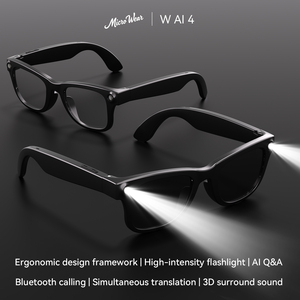
W94 Smart Glasses Real-time Translation 3D Surround Stereo Sound AI Intelligent Q&A BT Connection Flashlight IPX-5 Waterproof
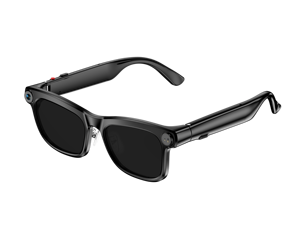
M08T Smart Eyewear Open Ear Wireless Glasses AI Voice Assistant Active Noise Cancel IP68 Waterproof 1080P Camera Music Player

Lightweight Travel Photography Wide Angle AI Smart Glasses with 8GB Storage

Polarized UV400 Smart Glasses Voice Control Handsfree Call Outdoor Sport Driving Audio Sunglasses
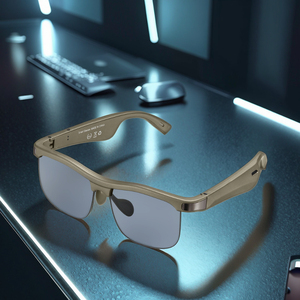
Smart Glasses BT Polarized Business AI Eyewear UV400 Voice Translation Bone Conduction ENC 50H Standby Sunglasses With Camera

Mellume OEM ODM Acetate Sunglasses Acetate Black Sunglasses Custom Logo Private Label Eyewear Factory Supplier for Men Women
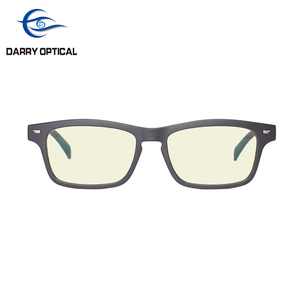
New Bone Conduction Earphone Glasses with Speaker Wireless Smart Audio Head Glasses Blue Tooth Glasses
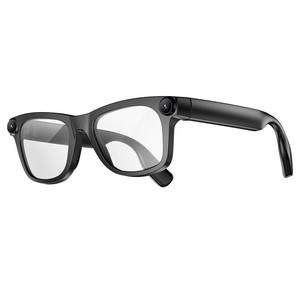
GL12 AI Smart Glasses Wireless Audio Eyewear Type-C Charging Touch Voice Control for Daily Wear
Executive Industry Report: Sourcing Electrochromic & Electronic Tinting Sunglasses
The global wearable technology market is experiencing a structural paradigm shift. Traditional photochromic (transition) lenses, which rely on UV light chemistry to darken passively over 60 to 180 seconds, no longer meet the expectations of modern digital consumers and performance athletes. The market demand has rapidly shifted toward active, real-time light control technologies—specifically Electrochromic (EC) film technology and Flexible Liquid Crystal (LC) dynamic tinting.
For B2B procurement managers, brand managers, and optical distributors, selecting a qualified electrochromic sunglasses factory and supplier is a critical strategic decision. Manufacturing electronic tinting eyewear requires a complex synthesis of micro-electronics, precise optical lamination, ultra-low power microcontroller firmware, and ergonomic frame architecture. This technical guide outlines the supplier selection framework, manufacturing yield benchmarks, technology comparisons, and future procurement trajectories for global sourcing leaders.
Information Gain Insight: Unlike standard sunglasses assembly, electrochromic eyewear production requires Class 10,000 cleanroom lamination to prevent micro-particle inclusions between film layers. Factory selection must prioritize optical yield rates (benchmark >92%) and automated ESD testing.
Technology Matrix: Electrochromic (EC) vs. Flexible Liquid Crystal (LC) vs. Photochromic
Before vetting suppliers, purchasing directors must align product specifications with consumer use-cases. Below is a comparative technical analysis evaluating the primary active and passive tinting technologies currently supplied by tier-1 manufacturers:
| Technical Parameter | Electrochromic (EC) Lenses | Flexible Liquid Crystal (LC) | Photochromic (Passive UV) |
|---|---|---|---|
| Tint Switch Speed | 0.1 sec – 1.0 sec (Instant button/auto sensor) | < 0.1 sec (Ultra-fast liquid crystal shift) | 60 sec – 180 sec (Slow, UV dependent) |
| Visible Light Transmittance (VLT) Range | 8% (Category 3) to 62% (Category 1) | 10% to 48% | 12% to 75% (Uncontrollable inside cars) |
| Car Windshield Functionality | 100% Functional (Independent of UV) | 100% Functional | Fails inside UV-blocking vehicles |
| Power Consumption | Ultra-low micro-amp pulse (<0.5mW/cycle) | Continuous micro-amp current needed | Zero (Passive chemical reaction) |
| UV400 & Polarization Integration | Full UV400 + TAC Polarized Lamination | Full UV400 + Polarized options | Standard UV protection |
| B2B Unit Cost Tier | Mid-High Premium Tier | High-End Sport Performance Tier | Low-Cost Economy Tier |
Top 10 Electrochromic Sunglasses Manufacturer Benchmark Criteria
When evaluating the top 10 factories in Shenzhen, Dongguan, and global optics hubs, standard OEM evaluation forms are insufficient. Smart eyewear sourcing teams must audit factories against six core technological capabilities:
1. Precision Lamination Cleanrooms
Verification of Class 10,000 dust-free cleanrooms for bubble-free bonding of EC films between TAC or Polycarbonate optical substrates.
2. Micro-Current Driver IC Design
In-house PCBA development capability for custom voltage drivers ensuring uniform tint density without optical haze or rainbow patterns.
3. Power Efficiency & Solar Integration
Suppliers offering ambient light sensor (ALS) auto-dimming powered by micro-solar panels or 50+ hour standby lithium polymer cells.
4. Environmental & IPX Certification
Strict testing protocols for IPX5 to IPX8 water resistance, thermal stability (-20°C to +70°C testing), and drop-impact resistance (ANSI Z87.1).
5. Acoustic & AI Feature Fusion
Capability to combine electrochromic tint switching with open-ear Bluetooth 5.4 audio, noise-canceling ENC mics, or AI real-time translation.
6. Full OEM/ODM & Private Label Support
End-to-end tooling, rapid 7-10 day prototyping, custom packaging, laser-etched branding, and international compliance assistance (CE, FCC, RoHS, FDA).
Shenzhen Ennava Technology: Production Metrics
Benchmarking quality, capacity, and global export reliability for high-growth smart eyewear brands.
2026–2030 Global Sourcing Trends in Smart Electrochromic Eyewear
As smart eyewear transitions from niche novelty items to mass-market consumer electronics, procurement teams must align their multi-year supply chains with key industry innovations:
1. Multi-Zone & Gradient Electrochromic Control
Next-generation EC lenses will feature segmented tint zones. Users can tint the upper half of the lens to block harsh zenith sunlight while keeping the lower reading zone transparent for viewing instrument clusters, smartphones, or cycling computers.
2. Integration of Solar Auto-Charging Cells
To eliminate battery weight, tier-1 suppliers are embedding flexible photovoltaic strips directly into frame temples. Light energy harvested during outdoor use powers the micro-current required for continuous electrochromic tint switching, creating virtually infinite operating endurance.
3. Convergent Wearables: EC Tinting + AI Voice & Camera Systems
The industry is rapidly unifying electrochromic tinting with hands-free computing. Models like Ennava’s V06 and MT5Ultra series integrate HD video capture, real-time AI translation, and open-ear directional audio directly into lightweight acetate and TR90 frames without compromising optical aesthetics.
4. Sustainable & Bio-Based Frame Materials
Driven by strict EU environmental regulations (such as EPR and eco-design directives), leading electrochromic factories are shifting from traditional petroleum-based plastics to bio-acetate and recycled sea-plastic polymers, combined with lead-free, RoHS-compliant micro-circuitry.
Why Partner with Shenzhen Ennava Technology Co., Ltd.
Your premier OEM/ODM manufacturing partner for electrochromic sunglasses, AI camera glasses, and smart audio eyewear.
Turnkey OEM/ODM Engineering
From optical mold design and circuit schematic design to firmware customization and final assembly, our Shenzhen R&D center provides complete end-to-end development.
Rigorous Multi-Stage Quality Assurance
Every batch undergoes 100% optical light transmission testing, UV400 verification, Bluetooth frequency spectrum analysis, ESD testing, and IP-grade waterproof chamber testing.
Global Export & Compliance Readiness
We support overseas importers with complete regulatory certification dossiers, including CE, FCC, RoHS, and MSDS battery transport documentation for hassle-free customs clearance.
Ready to Launch Your Electrochromic Eyewear Line?
Get direct factory pricing, request customized engineering samples, or speak with our senior smart eyewear product architects today.
Frequently Asked Sourcing Questions (FAQ)
Essential guidance for B2B buyers, importers, and private label brand partners.
Have specific engineering requirements or need a formal RFQ?
Contact Us