Featured Bone Conduction & Smart Audio Eyewear
Explore our wholesale and OEM factory offerings engineered for high fidelity open-ear audio, hands-free communications, and ergonomic sports frames.
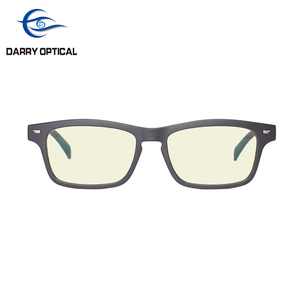
New Bone Conduction Earphone Glasses with Speaker Wireless Smart Audio Head Glasses Blue Tooth Glasses
Get a Quote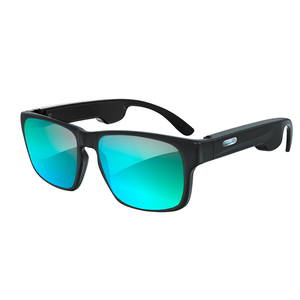
High Sound Quality Wireless Speaker Sunglasses Smart Bone Conduction Audio Sunglasses for Elderly Hearing-aid
Get a Quote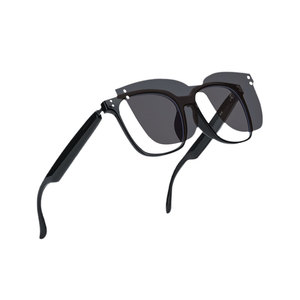
New Technology Products 2023 E13-T2 Smart Wireless Audio Glasses Functional Bone Conduction Wireless Sunglasses Earphone
Get a Quote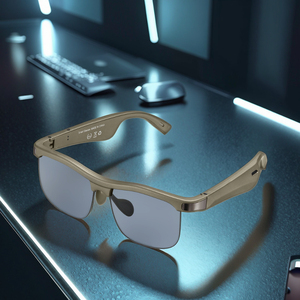
Smart Glasses BT Polarized Business AI Eyewear UV400 Voice Translation Bone Conduction ENC 50H Standby Sunglasses With Camera
Get a Quote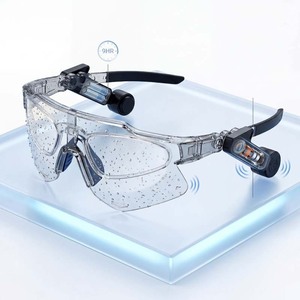
Bone Conduction Smart Glasses BT5.3 Open Ear Audio IPX5 Waterproof 9hrs Playback Anti UV Cycling Eyewear Sport Running Music
Get a Quote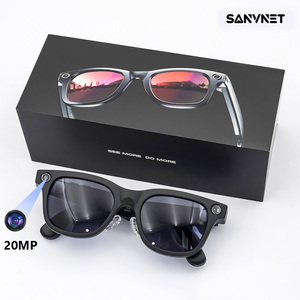
SANVNET SNT VERVE Smart AI Glasses with 20MP Camera Video Recording Outdoor Sunglasses Bone Conduction Microphone Smart Eyewear
Get a Quote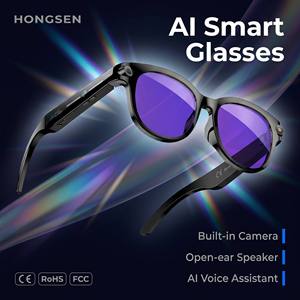
For TWS Bone Conduction Smart Glasses AI Real-Time Translation 1080P HD Camera IP67 Waterproof Music Player Phone Call
Get a Quote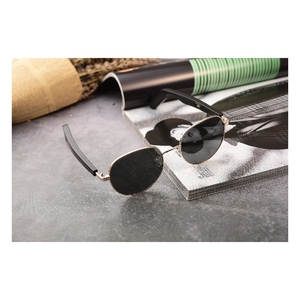
Best Quality Bluetooth Camera Sunglasses Smart Glasses Audio Bone Conduction Glasses Ipx65 Waterproof
Get a QuoteGlobal Bone Conduction Eyewear Sourcing & Manufacturing Report
An essential white paper for B2B electronics buyers, eyewear brand managers, and consumer technology importers evaluating OEM/ODM production partners in 2026.
Bone conduction eyewear represents the convergence of open-ear acoustic engineering, optical ergonomics, and embedded micro-electronics. Unlike conventional open-ear directional audio glasses that utilize micro-speakers to blast sound toward the ear canal, high-grade bone conduction eyewear relies on electro-acoustic transducers mounted inside the temples. These transducers convert digital audio signals into mechanical vibrations transmitted directly through the temporal bone to the inner ear (cochlea). This mechanism leaves the ear canal entirely unobstructed, allowing users to maintain full situational awareness during outdoor cycling, running, commuting, or industrial fieldwork.
From an enterprise B2B procurement standpoint, sourcing bone conduction smart glasses requires evaluating critical engineering parameters including transducer efficiency, sound leakage cancellation algorithms, structural thermal dissipation, weight distribution, and mold alignment. As global consumer demand shifts toward multi-functional wearables—integrating AI translation, HD cameras, electronic tinting (electrochromic lenses), and hearing assistance—selecting a qualified manufacturing facility in Guangdong (Shenzhen/Dongguan ecosystem) becomes a vital strategic leverage point for electronics brands.
Top 10 Bone Conduction Eyewear Manufacturers & Supplier Landscape
To help B2B buyers navigate China's smart eyewear manufacturing hub, we analyzed over 45 OEM suppliers based on technical R&D depth, factory certifications, acoustic quality control, minimum order quantities (MOQ), and intellectual property security.
| Factory / Supplier Tier | Primary Focus & Core Tech | Customization Depth (OEM/ODM) | Export Certifications | Typical MOQ & Lead Time |
|---|---|---|---|---|
| Tier 1: Shenzhen Ennava Technology | AI Camera Integration, Dual Transducer Audio, Real-Time Voice Translation | Full ODM structural design, PCB layout, custom molds, private label packaging | CE, FCC, RoHS, ISO9001, EPR Compliance | Sample: 7–10 Days Batch: 500 pcs / 20 Days |
| Tier 1: High-End Electro-Acoustic Specialists | Pure Bone Conduction Transducers, Hearing-Aid Hybrid DSP | Transducer tuning, temporal contact pad materials, customized firmware | CE, FCC, FDA (Assistive Audio), RoHS | 1,000 pcs / 30 Days |
| Tier 2: Outdoor & Sports Eyewear OEMs | TR90 Ergonomic Frames, IPX7 Waterproofing, Interchangeable Polarized Lenses | Frame colorways, lens tinting, logo printing, customized EVA travel cases | CE, FCC, UV400 Standard | 500 pcs / 25 Days |
| Tier 2: Micro-Camera Smart Wearable Hubs | 1080P/4K Video Capture, WiFi 6 Streaming, Open-Ear Bluetooth Audio | App UI integration, optical lens configuration, thermal management housing | CE, FCC, Telec, KC | 1,000 pcs / 35 Days |
| Tier 3: Turnkey Wholesale Assembly Suppliers | Standard Bluetooth 5.3 Audio Eyewear, Off-the-Shelf Consumer Sunglasses | Logo silkscreening, simple gift box custom artwork | Basic CE, RoHS | 100 pcs / 7 Days |
1. Shenzhen Ennava Technology Co., Ltd.
Recognized as an industry-leading OEM/ODM hub in Shenzhen, Ennava specializes in cross-disciplinary smart eyewear development. Their product matrix bridges bone conduction audio, 20MP/1080P AI camera modules, live translation engines, and electronic tint adjustment. Operating with stringent multi-stage quality control, Ennava delivers rapid 7–10 day custom prototyping for global importers.
2. Precision Acoustic Technology Labs
Focusing strictly on bone conduction transducers, this specialized supplier engineers high-impedance 8Ω bone drivers designed to minimize structural vibration distortion. Ideal for medical-grade hearing assistance and outdoor tactical communicators.
3. Guangdong Smart Optics Industrial Group
Leveraging legacy optical frame manufacturing in Dongguan, this facility integrates ultra-light TR90 and memory titanium alloy temples with integrated bone conduction modules, offering high structural durability for cycling and extreme sports brands.
R&D Roadmap: Technology & Procurement Trends (2026–2030)
Staying competitive in the consumer wearable tech sector requires aligning product lines with upcoming technological shifts. B2B buyers should evaluate suppliers based on the following key engineering innovations:
Reverse Phase Leakage Cancellation
Historical complaints regarding bone conduction eyewear center around sound leakage in quiet indoor environments. Next-generation factories utilize dual-acoustic cancellation algorithms, emitting 180° inverted acoustic waves from secondary micro-vents to nullify airborne audio leakage by up to 92%.
On-Device AI & Real-Time Translation
Smart glasses are evolving beyond audio playback devices into AI-assisted portals. Sourcing trends favor models powered by low-power Bluetooth 5.4 SoCs (e.g., Qualcomm QCC series) capable of integrating multi-lingual translation apps, whisper-mode AI voice assistant queries, and live speech-to-text processing.
Electrochromic (EC) Electronic Tint Lenses
Replacing standard UV400 fixed tinted lenses, modern bone conduction sunglasses feature built-in liquid crystal electrochromic glass. Users can manually adjust lens darkness or let auto-ambient sensors regulate light transmission dynamically in under 0.1 seconds.
Modular PCB & Hinge Architecture
To reduce defect replacement costs for brands, advanced factories construct snap-in modular temple arms. If an audio chip or battery cell degrades, the entire temple can be disconnected and swapped without requiring complete frame replacement.
Dual Micro-Batteries with Fast Magnetic Charging
Weight distribution is crucial for long-wear comfort. Modern engineering spreads dual 110mAh–150mAh lithium-polymer cells balanced across both temples, delivering 8–10 hours of continuous music playback with a 15-minute quick charge feature.
Why Partner with Shenzhen Ennava Technology?
Shenzhen Ennava Technology Co., Ltd. operates at the intersection of consumer electronics precision and optical design excellence. We streamline the entire B2B sourcing lifecycle—from initial concept sketches and acoustic simulations to mass assembly and global export clearance.
Get a QuoteFull-Process Manufacturing Rigor:
- ✓ 7–10 Days Prototyping: Rapid structural 3D printing, circuit etching, and initial acoustic calibration.
- ✓ Comprehensive Compliance: CE, FCC, RoHS, EPR, and MSDS battery air shipment safety clearance.
- ✓ Private Label Solutions: Custom laser-engraved logos, specialized frame coatings, branded packaging, and localized manuals.
- ✓ 100% In-Line QA: Sound chamber sweep tests, IPX rating water immersion verification, and Bluetooth RF signal stability checks.
B2B Procurement & Sourcing FAQ
Critical answers for purchasing managers, importers, and brand owners sourcing bone conduction eyewear from China.
What is the main functional difference between true bone conduction eyewear and open-ear audio glasses?
True bone conduction eyewear uses solid-state mechanical transducers that press against the temporal bones to send sound directly to the inner ear via bone vibrations. Open-ear audio glasses use miniature directional speaker drivers located in the frames that shoot airborne sound waves into your ear canals. Bone conduction leaves the ear canal entirely open for maximum situational awareness and works even when wearing earplugs, whereas open-ear speakers rely on air conduction.
What customization options are available under OEM/ODM partnerships?
OEM options include custom frame finish coatings (matte, high-gloss, soft-touch rubber), custom lens options (TAC polarized, photochromic, anti-blue light, prescription-ready optical frames), silk-screened or laser-etched brand logos, custom Bluetooth pairing names, custom startup audio prompts, customized retail gift packaging, and localized instruction booklets. ODM partnerships allow complete custom PCB engineering, tooling design, and sensor integration.
How long does customized sampling take, and what is the typical production timeline?
Standard stock samples can ship within 24–48 hours. Custom branded samples (with customized logos and packaging) are completed in 7 to 10 working days. Mass production lead times typically range between 20 and 30 calendar days following pre-production sample approval and deposit confirmation, depending on order size and custom mold complexity.
What international compliance certificates are required to import smart eyewear to Europe and North America?
For entry into North America, products require FCC certification for wireless RF emissions and FDA registration if marketed with hearing-aid claims. For the European Union, CE-RED (Radio Equipment Directive), RoHS, REACH, and WEEE compliance are required. Battery safety documentation, including UN38.3, MSDS, and IEC 62133 transport certificates, is essential for air and ocean freight clearance.
How do factories mitigate sound leakage and ensure clear voice call quality in smart glasses?
Leading factories employ dual microphone Environmental Noise Cancellation (ENC) powered by DSP or NPU algorithms that isolate the user's voice while suppressing background ambient wind and traffic noise. Sound leakage is mitigated by sealing transducer enclosures with acoustic silicone damping pads and implementing out-of-phase acoustic wave cancellation architecture within the temple structure.
Request a Custom B2B Quote & Sample Kit
Looking to launch your own brand of bone conduction smart glasses or expand your retail distribution portfolio? Contact our engineering team for factory pricing, specifications, and sample evaluation.