Top Sourced Micro Camera & AI Smart Glasses
Explore China's top-tier micro optical camera glasses models engineered for global B2B buyers, OEM distributors, and brand owners.
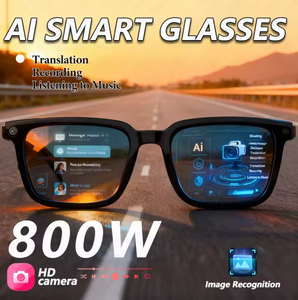
AI Smart Glasses AI Translation 8MP HD Camera 4K Shooting Image Conversation Recording Listening to Music Smart Glasses
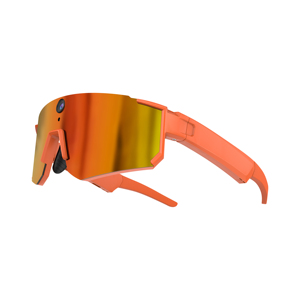
M95 AI Smart Translation Glasses with GPS 1080P Video Online/Offline Multi-Language Translation AI Vision Recognition 8MP Camera
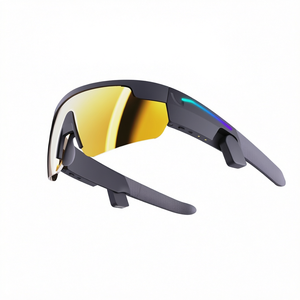
Customized AI Outdoor Cycling Glasses Call Intercom Smart Colorful Light Color Lenses Noise Reduction Smart Glasses
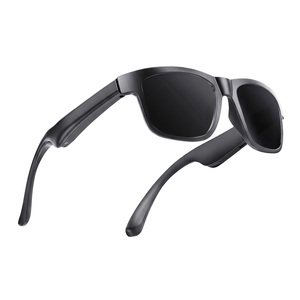
Audio Glasses UV400 Protection Sunglasses Voice Assistant Answer Calling Smart Glasses Stereo Sound Speakers Earphones Touch
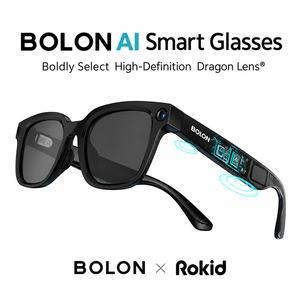
BOLON Co-branded AI Smart Glasses Video-capable Shooting Stylish Wireless for Audio Voice-controlled Real-time
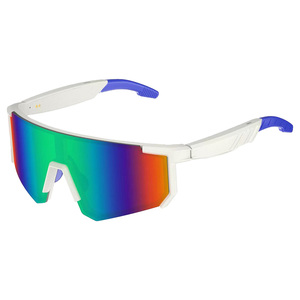
Smart Cycling Audio Glasses UV400 UV-Ban Music Playback Hands-Free Calling AI Translation Wearable Intelligent Device Magnetic
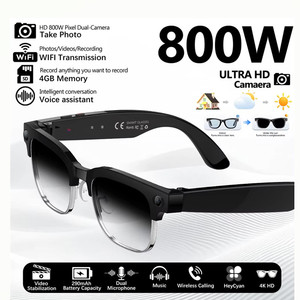
W630 Smart Glasses with 8MP Camera Call Video Record Photography WIFI Anti-blue Light Business Real-time Translation AI Glasses
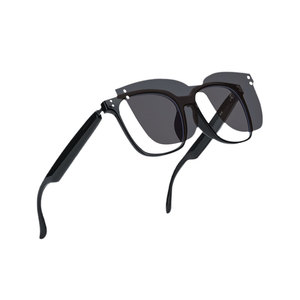
New Technology Products 2023 E13-T2 Smart Wireless Audio Glasses Functional Bone Conduction Wireless Sunglasses Earphone
Executive Whitepaper: The Landscape of China Micro Camera Glasses Manufacturing
The global wearable electronics sector is experiencing an unprecedented structural pivot towards integrated AI vision and micro-optical sensing. At the epicenter of this technological shift is Shenzhen, China—the primary manufacturing nexus for advanced micro camera glasses, smart translation eyewear, and open-ear audio sunglasses. For global B2B procurement officers, enterprise technology distributors, and private-label consumer electronics brands, navigating top China micro camera glasses suppliers requires a granular understanding of miniaturized sensor integration, thermal management architectures, and cross-border regulatory compliance.
Micro camera glasses represent a complex convergence of optical engineering, high-density Surface Mount Technology (SMT), directional acoustics, and low-latency wireless transmission. Unlike standard consumer electronics, integrating an 8MP CMOS sensor or a 4K UHD video processor into an ergonomic frame weighing under 45 grams demands rigorous precision assembly. Leading Chinese manufacturers have moved past basic OEM assembly to deliver advanced ODM turn-key solutions, incorporating edge AI vision recognition, multi-language real-time translation algorithms, and electrochromic (EC) auto-dimming lenses.
Key Technology Development Trends in Micro Camera Glasses (2025–2030)
Understanding the technological trajectory of smart eyewear is critical for enterprise buyers planning product lines over a 24-to-36-month horizon. China's top R&D laboratories and factories are currently driving five pivotal technological advancements:
1. Ultra-Miniaturized 4K CMOS Sensors & EIS
Modern micro camera glasses utilize sub-miniature 1/4-inch and 1/3-inch Sony and OmniVision CMOS image sensors capable of recording native 1080P at 60fps and interpolated 4K video. Advanced 6-axis Electronic Image Stabilization (EIS) algorithms embedded directly into the DSP counteract human head motion, yielding smooth, cinematic first-person view (FPV) recording for cycling, field inspections, and vlog content creation.
2. Multi-Modal AI Vision & Real-Time Translation
Next-generation smart eyewear integrates low-power AI microprocessors linked via BLE 5.3 to cloud-based Multi-Modal Large Language Models (LLMs). Micro camera glasses can capture live visual inputs—such as street signs, printed menus, or document text—and instantly process online/offline neural machine translation, broadcasting audio translations through open-ear directional speakers in less than 400 milliseconds.
3. Dual Connectivity: Wi-Fi 6 & Bluetooth 5.3
High-resolution video streaming demands robust bandwidth. Premium micro camera glasses feature dual-chip architectures combining ultra-low-power Bluetooth 5.3 for voice calling and standby telemetry with high-speed Wi-Fi 6 modules. This enables real-time peer-to-peer 1080P media transfer directly to iOS and Android companion applications without exhausting localized frame memory.
4. Directional Open-Ear & Bone Conduction Acoustics
To ensure user situational awareness during urban commuting or outdoor sports, manufacturers are eschewing traditional in-ear buds. Modern micro camera glasses incorporate dual directional acoustic beamforming speakers or high-fidelity bone conduction transducers housed within the temples, delivering crisp stereo audio while minimizing sound leakage to surrounding individuals.
5. Electrochromic (EC) Smart Tint & Optical Versatility
Smart sunglasses are shifting away from passive photochromic lenses toward active electrochromic (EC) technology. With a single tap on the frame touch sensor, users can instantly change lens light transmittance from Category 1 (clear/indoor) to Category 3 (dark/outdoor) in under 0.5 seconds, paired with UV400 polarized protection and prescription lens inner clip adaptability.
6. Advanced Thermal Dissipation & Power Density
Concentrating a camera chip, battery, wireless antenna, and audio driver within a narrow eyewear arm creates thermal challenges. Top factories utilize lightweight magnesium-aluminum structural frames, phase-change graphite heat sinks, and smart power management microcontrollers to ensure surface frame temperatures remain below 38°C during prolonged video recording sessions.
Future Procurement Trends for Global B2B Smart Eyewear Buyers
The commercial procurement model for micro camera glasses has evolved dramatically. Bulk purchasers are moving beyond off-the-shelf white-label items and demanding tailored OEM/ODM engineering frameworks. Key procurement trends shaping the international wholesale landscape include:
1. Transition to Turnkey ODM & Custom Mold Ecosystems
Leading global distributors no longer compete solely on price; market differentiation depends on unique industrial design (ID) and branded frame aesthetics. China's top factories now offer modular ODM platforms, enabling B2B clients to request customized TR90 or acetate frame shapes, proprietary colorways, specialized lens tints, and custom branded startup logos on companion smartphone apps within a rapid 7-to-10-day sampling window.
2. Stringent International Data Privacy & Certification Alignment
Because micro camera glasses collect video and audio data, global customs agencies and retail marketplaces strictly enforce product compliance. Sourcing managers must partner with tier-1 Chinese manufacturers capable of providing complete compliance documentation, including CE, FCC, RoHS, REACH, and EPR certifications. Top suppliers are also embedding visible physical LED recording indicators directly into the camera housing to satisfy Western privacy standards (such as EU GDPR requirements).
3. Hybrid Battery Systems & Extended Endurance Engineering
Battery life remains a primary user friction point. To solve this, procurement trends favor hybrid charging systems. Leading factories now bundle magnetic fast-charging eyewear cables with dedicated high-capacity portable charging cases (e.g., 2000mAh external cases capable of recharging 300mAh glass frames up to 6 times), extending continuous 1080P recording cycles from 90 minutes to over 10 hours of field operation.
Enterprise Advantages: Sourcing from Shenzhen Ennava Technology Co., Ltd.
As a specialized B2B manufacturer headquartered in Longgang District, Shenzhen, Shenzhen Ennava Technology Co., Ltd. stands as a premier supplier of AI camera smart glasses, translation audio eyewear, electronic tint sunglasses, and smart cycling glasses. Built specifically around the operational needs of overseas distributors, importers, and brand owners, Ennava delivers distinct competitive advantages across the entire product lifecycle:
- Full-Spectrum OEM/ODM Customization: Ennava supports complete private-label branding, including custom frame surface finishes, laser-etched logo placement, retail gift box packaging design, localized multi-language user manuals, and customized firmware Bluetooth pairing strings.
- Rapid Prototyping & Agile Production: Backed by dedicated SMT lines and optical lens assembly cleanrooms, standard customized samples are completed within 7 to 10 working days, dramatically shortening time-to-market for seasonal product launches.
- Multi-Stage Quality Assurance Protocol: Every unit undergoes rigorous 5-stage QC testing, including IQC incoming component verification, in-line acoustic frequency analysis, optical camera resolution calibration, high-humidity thermal aging test chambers, and final drop/flexure mechanical validation.
- Global Logistics & Compliance Guarantee: Products ship with verified CE, FCC, and RoHS test reports, ensuring seamless customs clearance across North America, Europe, Australia, and the Middle East.
Frequently Asked Questions (Sourcing FAQ)
Essential insights for purchasing managers, importers, and supply chain directors sourcing micro camera glasses from China.
Which B2B cooperation models are available for micro camera glasses buyers?
We provide four flexible B2B cooperation channels tailored to business scale: Wholesale supply of ready-to-ship catalog stock, comprehensive OEM/ODM product development, private label branding (custom logo, frame colors, packaging, user manuals), and exclusive regional distributor partnership programs.
How long does it take to manufacture customized smart glasses samples?
Standard OEM/private-label customized samples are ready within 7 to 10 working days once industrial design, logo graphics, and packaging specifications are approved. Complete ODM projects involving custom structural tooling or customized PCB layout typically require 30 to 45 calendar days.
What optical camera resolutions and video frame rates are supported?
Our micro camera glasses modules feature high-grade Sony/OmniVision CMOS sensors supporting 8MP photo capture and native 1080P video recording at 30fps to 60fps. Select high-tier models utilize DSP hardware interpolation to support 4K photo shooting and high-definition video streaming via Wi-Fi 6.
Can the frame colors, lens options, and packaging be fully customized?
Yes. Frame colors (matte black, piano gloss, gradient translucent, metallic finishes), lens types (UV400 TAC polarized, photochromic tint, electrochromic EC lenses, anti-blue light clear lenses), silk-screened logos, retail gift boxes, and accessory cases are 100% customizable according to your brand guidelines.
What international certifications are provided for global importation?
All micro camera smart glasses exported by Shenzhen Ennava Technology comply with international standards. We supply full technical documentation and test certificates including CE (EMC/LVD), FCC (ID), RoHS, UN38.3 battery transport safety reports, MSDS, and relevant EPR compliance files for the EU and US markets.
How do you resolve camera thermal dissipation and continuous runtime issues?
Our engineering team integrates low-power chipsets paired with internal graphite thermal pads and magnesium-alloy frame heat dissipation channels. This keeps frame skin contact temperatures under 38°C. For extended runtime, we provide dual 110mAh–300mAh high-density pure cobalt batteries and optional 2000mAh mobile charging cases.
What key details should be included in an initial sourcing inquiry?
To receive an accurate quotation and sampling roadmap, please specify: 1) Target destination country and retail channel, 2) Preferred camera glasses category or model numbers, 3) Estimated order quantity (MOQ/annual volume), 4) Required customization scope (logo, packaging, lens type), and 5) Expected delivery timeline.
Ready to Launch Your Micro Camera Glasses Brand?
Connect with Shenzhen's leading OEM/ODM smart eyewear engineering team. Get customized model recommendations, factory-direct pricing, and sample delivery in 7–10 days.
Get a Quote