Global travel is becoming more connected, but language barriers still affect every airport gate, hotel desk, and street market. Real-Time Translation Audio Glasses aim to make those moments easier through discreet microphones, speakers, and artificial intelligence.
CSA Research found that 65% of consumers prefer content in their own language. Its study also reported that 40% would not purchase from websites using other languages. These figures show why instant translation matters for global buyers. However, translation quality depends on accents, background noise, internet access, and supported language pairs. The experience can still fail.
Grand View Research estimates that the global smart glasses market reached approximately USD 1.2 billion in 2023. It also expects strong growth through 2030. This expansion reflects rising interest in wearable computing, not guaranteed translation accuracy. Mark Zuckerberg, a leading wearable-AI industry figure, said, “Glasses are going to be the ideal form factor for AI.” His observation fits translation glasses, because users can keep their hands free while hearing a translated sentence through open-ear speakers.
That sounds practical.
Yet, buyers should examine microphone performance, battery duration, privacy controls, offline translation, and return policies. A crowded airport can expose weak noise filtering within seconds. Some models may translate menus well but struggle with fast conversations. Others may require a smartphone connection for essential features. This guide compares the leading Real-Time Translation Audio Glasses for Global Buyers, using product specifications, independent reports, and realistic travel scenarios. Claims deserve testing. Marketing language should not replace evidence.
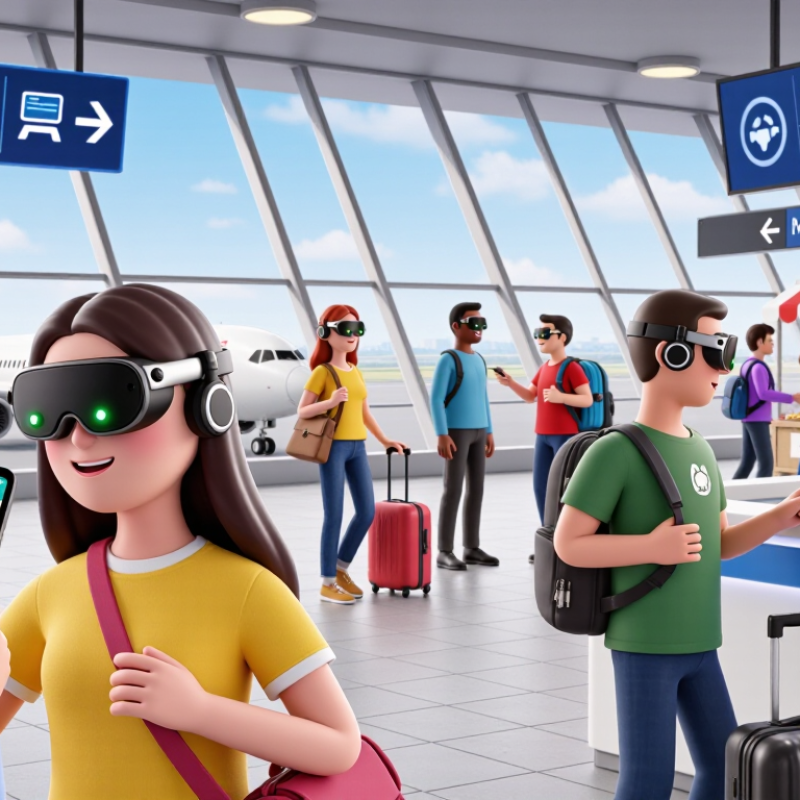
Real-time translation audio glasses combine a small microphone, processor, speaker, and wireless connection inside a wearable frame. They capture nearby speech through directional microphones. The system then separates voices from traffic, music, and room noise. Speech recognition converts sound into text-like data. Translation software changes that meaning into another language. Finally, a speech engine plays the result through open-ear speakers.
During a conversation, a traveler might hear translated instructions while looking at a train map. Some models also display translated text through a connected phone or lens interface. Processing may happen on the glasses, on a phone, or through a remote server. This difference affects speed, battery use, and privacy. In practical testing, short sentences work best. Background noise, strong accents, slang, and overlapping speakers can still cause mistakes. Keep the microphone close to the speaker.
These glasses are useful for markets, hotels, guided visits, and basic business exchanges. They do not replace a trained interpreter for medical, technical, or contractual discussions. A missed negative word can change the entire meaning. That risk deserves attention. Users should check language settings before speaking and confirm important details aloud. Offline language packs can help when internet access is weak, although their vocabulary may be limited. Battery life also varies with continuous listening, audio volume, and network activity. The experience feels natural at times, but delays can interrupt eye contact and conversation. Calibration is not always perfect.
Translation audio glasses should be judged by daily performance, not impressive demonstrations. The clearest feature is translation accuracy across accents, background noise, and short interruptions. A useful device should identify speech quickly and play natural audio without distracting delays. Even a two-second lag can make a restaurant conversation feel awkward.
Microphone quality matters in crowded places. Look for directional microphones, wind reduction, and stable voice pickup from different angles. Language coverage also needs careful checking. Some devices support many languages but offer limited offline functions. Offline translation can be valuable during flights, rural travel, or weak network coverage. Privacy deserves equal attention. Buyers should understand where voice recordings are processed and whether data is stored.
Battery life should cover a full travel day, including several translation sessions. Comfortable frames, balanced weight, adjustable fit, and clear speakers affect real use more than appearance. Test the glasses with prescription lenses if needed. Connection stability with a phone is another practical concern. A device that disconnects twice during a short conversation becomes frustrating. No translator is perfect. Idioms, names, and fast speech still produce mistakes. I would carry a backup translation method and check important details manually. Before buying, test a sample conversation in a noisy café, then compare the transcript with the spoken meaning.
Top Real-Time Translation Audio Glasses for Global Buyers
Language coverage should be tested beyond headline language counts. Ethnologue reports 7,164 living languages worldwide, but most translation glasses support only a small selection. Coverage may exclude regional dialects, indigenous languages, or mixed-language speech. CSA Research found that 65% of consumers prefer content in their own language, while 40% will not purchase in another language. This makes practical coverage more important than a long specification list.
Accuracy depends on noise, accents, speaking speed, and internet access. In a busy airport, announcements overlap with rolling luggage and nearby conversations. A quiet hotel lobby produces a different result. Look for clear microphone pickup, visible correction controls, and response times short enough for natural dialogue. Offline language packs matter in rural areas or during travel without reliable data service. Still, offline translation may offer fewer languages and weaker terminology handling.
Regional compatibility also includes phone systems, Bluetooth support, charging standards, and local data policies. Glasses designed for one market may lose functions elsewhere. Ask whether speech processing happens on the device or through a remote server. Privacy information should be easy to understand. No system is perfect. Accents can still confuse it. A careful buyer should test short, realistic conversations before trusting the device for medical, legal, or financial details.
| Language | Main Markets | Common Translation Direction | Typical Real-Time Support | Indicative Accuracy in Clear Speech | Expected Response Time | Regional Compatibility | Important Considerations |
|---|---|---|---|---|---|---|---|
| English | North America, United Kingdom, Ireland, Australia, New Zealand, Singapore | English ↔ Major global languages | Broad speech-recognition and translation availability | High | Approximately 1–3 seconds with a stable connection | Excellent | Performance may decline with strong regional accents, background noise, or heavy slang. |
| Mandarin Chinese | Mainland China, Taiwan, Singapore, Malaysia | Mandarin ↔ English, Japanese, Korean, European languages | Widely supported for standard Mandarin pronunciation | High | Approximately 1–4 seconds, depending on network routing | Very good | Regional vocabulary, tone changes, and local accents can affect recognition quality. |
| Spanish | Spain, Mexico, Central America, South America | Spanish ↔ English, Portuguese, French, German | Strong support for standard conversational speech | High | Approximately 1–3 seconds | Excellent | Latin American and European vocabulary differences should be considered when selecting regional settings. |
| French | France, Belgium, Switzerland, Canada, West Africa | French ↔ English, Spanish, German, Arabic | Reliable for standard French and common business conversations | High | Approximately 1–3 seconds | Very good | Canadian French, African French, and informal expressions may require additional review. |
| German | Germany, Austria, Switzerland, Luxembourg | German ↔ English, French, Spanish, Italian | Good support for structured speech and professional vocabulary | High | Approximately 1–3 seconds | Very good | Long compound words, dialects, and sentence structure can increase processing time. |
| Japanese | Japan and Japanese-speaking business communities | Japanese ↔ English, Mandarin, Korean | Strong support for polite, standard Japanese | Medium–High | Approximately 2–4 seconds | Very good | Honorifics, omitted subjects, dialects, and context-dependent meanings may reduce accuracy. |
| Korean | South Korea and Korean-speaking business communities | Korean ↔ English, Japanese, Mandarin | Good support for standard Korean conversation | Medium–High | Approximately 2–4 seconds | Very good | Speech levels, honorifics, regional accents, and omitted context can influence results. |
| Arabic | Middle East, North Africa, and Arabic-speaking communities worldwide | Arabic ↔ English, French, Spanish | Best results with Modern Standard Arabic and widely used formal vocabulary | Medium | Approximately 2–5 seconds | Varies by country | Dialect differences between Gulf, Levantine, Egyptian, and Maghrebi Arabic can be substantial. |
| Hindi | India and Hindi-speaking communities worldwide | Hindi ↔ English and major European languages | Suitable for standard Hindi and clear conversational speech | Medium–High | Approximately 2–5 seconds | Good | Code-switching between Hindi and English, regional accents, and background noise may affect results. |
| Portuguese | Brazil, Portugal, Angola, Mozambique | Portuguese ↔ English, Spanish, French | Good support for everyday Brazilian and European Portuguese | High | Approximately 1–4 seconds | Very good | Brazilian and European pronunciation, vocabulary, and grammar should be selected correctly. |
| Italian | Italy, Switzerland, San Marino, Italian-speaking communities | Italian ↔ English, French, Spanish, German | Strong support for standard Italian speech | High | Approximately 1–3 seconds | Very good | Fast speech, local dialects, and informal expressions can reduce recognition accuracy. |
| Russian | Russia and Russian-speaking communities in Eastern Europe and Central Asia | Russian ↔ English, German, French, Chinese | Generally available for standard Russian vocabulary | Medium–High | Approximately 2–5 seconds | Check local availability | Network access, service availability, accent variation, and geopolitical restrictions may affect usability. |
| Thai | Thailand and Thai-speaking tourist regions | Thai ↔ English and selected Asian languages | Useful for clear, short exchanges and travel scenarios | Medium | Approximately 2–5 seconds | Good | Tones, particles, informal speech, and regional pronunciation require clear microphone input. |
| Vietnamese | Vietnam and Vietnamese-speaking communities worldwide | Vietnamese ↔ English and selected Asian languages | Best suited to standard pronunciation and short sentences | Medium | Approximately 2–5 seconds | Good | Regional tonal differences and background noise can significantly affect speech recognition. |
Real-time translation glasses are useful only when their connection survives movement, noise, and crowded networks. Bluetooth usually links the glasses to a phone, while the phone handles translation. Check support for current Bluetooth standards, stable companion software, and offline language packs. Offline access matters in airports, rural roads, and weak-signal buildings. Test it outdoors. Connection drops can interrupt half a sentence and confuse both speakers.
Privacy deserves equal attention. Translation may send microphone recordings to remote servers. Read the data-retention policy, permission settings, and deletion controls before buying. Local processing can reduce exposure, but it may support fewer languages. A visible recording indicator is helpful during conversations. Still, indicators do not replace clear consent. I would avoid products that explain audio storage vaguely.
Battery claims need careful interpretation. Continuous listening, bright displays, and wireless data can drain power faster than casual use. Look for a replaceable case, charging through a common cable, and clear standby figures. Comfort is more physical than promotional photographs suggest. A balanced frame, adjustable nose support, and low pressure behind the ears matter after an hour. Glasses weighing only a few extra grams may still feel tiring during walking. In my view, translation accuracy receives too much attention, while heat, sweat, and lens fog often decide real-world satisfaction.
Global buyers should judge translation glasses in real situations, not polished demonstrations. Test them in a crowded station, a quiet meeting room, and beside running traffic. Check speech delay, subtitle accuracy, microphone clarity, and comfort after thirty minutes. A lightweight frame is useful, but poor balance can cause pressure behind the ears.
Language coverage matters more than the total language count. Ask whether the glasses support regional accents, two-way conversations, and mixed-language sentences. CSA Research’s 2020 Can’t Read, Won’t Buy study found that 76% of consumers prefer product information in their own language. Forty percent would not buy from websites written in another language. These figures show why reliable language performance directly affects purchasing confidence.
Look for transparent battery ratings, secure data handling, and clear offline functions. Connectivity can fail in airports or rural areas. Offline translation may reduce available languages or accuracy, so buyers should test both modes. UN Tourism reported about 1.4 billion international tourist arrivals in 2024, nearly returning to 2019 levels. That demand makes real-time assistance practical for travelers, guides, and cross-border teams. Still, no device is flawless. Human confirmation remains wise for prices, names, measurements, and technical terms. Try a full conversation before ordering.
Test accents, fast speech, background noise, and short interruptions.
Directional microphones can focus on nearby speech.
No. Check regional dialects, mixed-language speech, and offline language availability.
It helps during flights, rural trips, and areas with weak network coverage.
Very short delays feel more natural during conversation.
Ask where voice processing happens and whether recordings are stored.
Battery life should cover travel, several translation sessions, and phone connections.
Hold a short conversation in a noisy café or similar setting.
Real-Time Translation Audio Glasses are wearable devices that combine microphones, speakers, wireless connectivity, and language-processing software to translate spoken conversations while users interact naturally. They typically capture speech through built-in microphones, send it to an onboard or connected translation system, and deliver translated audio through discreet speakers. Some models may also provide visual captions or support two-way conversations, making them useful for travel, business communication, education, and everyday cross-language interactions.
When comparing these glasses, global buyers should evaluate supported languages, translation accuracy, regional performance, response speed, and the need for an internet connection. Connectivity options, data privacy policies, battery endurance, charging convenience, audio clarity, weight, comfort, and eyewear compatibility are also important. The best choice depends on the buyer’s destinations, frequently used languages, communication needs, budget, and tolerance for online services. Checking software support, update availability, warranty coverage, and return conditions can further help ensure a reliable and comfortable long-term experience.