Choosing Bluetooth Open-Ear Audio Glasses in 2026 requires more than comparing prices, frame colors, or advertised battery hours. These glasses place speakers beside your ears, so comfort, sound leakage, microphone quality, and safety controls matter during real use. A frame may feel light in a showroom but become uncomfortable after two hours of walking, commuting, or wearing prescription lenses. Small details matter. Check the nose pads, hinge tension, charging method, and control response.
Industry experience also offers useful context. John Gordon, formerly Bose’s vice president of Consumer Electronics, described the company’s Frames as “a new category of wearable audio.” That idea still shapes the market. Bluetooth Open-Ear Audio Glasses should complement daily routines, not pretend to replace headphones in every situation. Look for clear speech, balanced volume, stable Bluetooth connections, and reliable microphones in windy streets. Test them with podcasts before judging music performance.
Do not trust every specification equally. Battery claims often use ideal laboratory conditions. Real results change with call time, volume, navigation alerts, and weather. Open-ear sound also struggles in heavy traffic or crowded stations. That is not a minor weakness. It can affect convenience and awareness. Consider privacy, too; people nearby may hear louder audio in quiet rooms. A practical choice balances comfort, hearing awareness, durability, app support, and after-sales service. Sometimes the best model has fewer features. That feels disappointing. Yet fewer failures may matter more than futuristic extras.
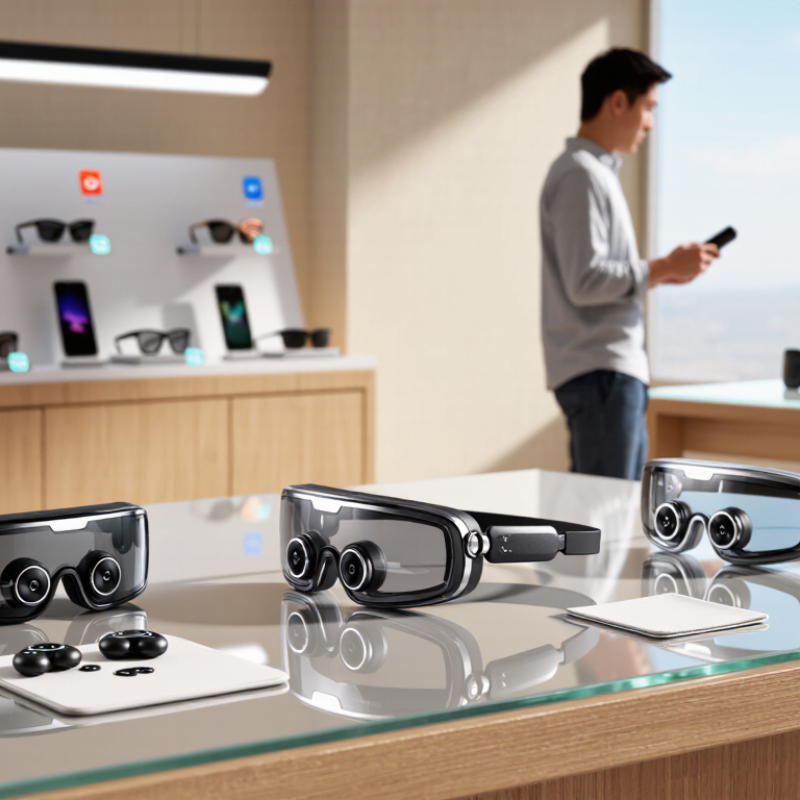
How to Choose Bluetooth Open Ear Audio Glasses in 2026?
Bluetooth Open Ear Audio Glasses are wearable frames with built-in speakers near the ears. They play calls, music, and navigation audio without sealing the ear canal. This design lets users notice traffic, coworkers, or a ringing doorbell. The speakers should direct sound toward the ears, not blast it widely. Core features include stable Bluetooth connection, clear microphones, balanced volume, and comfortable weight. A flexible frame matters during long walks or office work. Battery life also needs practical testing, not just impressive packaging claims.
In my experience, sound leakage becomes noticeable in quiet rooms at higher volume. That can affect nearby people. A good model should offer simple controls, reliable call quality, and basic resistance to sweat or light rain. Check whether the glasses fit your nose and temples without pressure. Lens options may include clear, tinted, or prescription-compatible designs. Features can vary widely. More features do not always mean better daily use. I still think comfort deserves more attention than novelty.
Tips: Test the glasses for thirty minutes before buying. Walk beside a road and listen for outside sounds. Make a phone call in a mildly noisy place. Check charging time and replacement parts. Keep volume moderate, since open-ear audio does not remove hearing risks. Read technical specifications and return terms carefully. A short trial often reveals problems that product photos hide.
How to Choose Bluetooth Open Ear Audio Glasses in 2026?
Identify Your Listening, Communication, and Wearing Requirements
Start with how you will listen each day. For commuting, open-ear speakers can preserve awareness of traffic and nearby conversations. Check sound clarity at moderate volume, not only maximum loudness. Spoken podcasts should remain understandable beside a busy street. Music may sound lighter than expected because the ears remain uncovered. That trade-off matters. Also examine Bluetooth stability, connection speed, and audio delay during videos. A reliable model should reconnect without repeated manual pairing.
Communication needs deserve separate testing. Make a short call outdoors, preferably near moving cars or light wind. Ask the other person whether your voice sounds distant or metallic. Multiple microphones may improve voice pickup, but software cannot remove every harsh noise. For wearing, measure comfort after an hour, not five minutes. Look for balanced weight across the nose and ears, secure hinges, and controls you can find without looking. If you wear prescription lenses, confirm frame compatibility with an optician. Sweat and rain protection should match your routine, but ratings do not promise unlimited exposure.
I would not trust a product after one indoor trial. Fit changes sound direction, and small adjustments can improve clarity. Battery claims also vary with call time, volume, and Bluetooth use. Write down your real daily pattern before buying. Your ideal choice may be less powerful, but easier to wear consistently.
| Requirement Area | Question to Ask | Recommended Target | Why It Matters | Priority |
|---|---|---|---|---|
| Primary Listening | What will you listen to most often? | Choose a model optimized for podcasts, navigation, calls, or casual music rather than expecting open-ear glasses to replace sealed headphones. | Open-ear speakers keep the ear canals uncovered, improving awareness of nearby sounds but generally providing less bass impact and isolation than in-ear products. | High |
| Environmental Awareness | Will you use the glasses outdoors, while commuting, or around other people? | Look for clear directional audio, adjustable volume, and a design that does not block the ear canal. | Ambient sound can remain audible, which is useful for traffic awareness and conversations, although users should still follow local safety rules and avoid relying on audio alone. | High |
| Bluetooth Compatibility | Will the glasses connect to your current phone, tablet, or computer? | Bluetooth 5.0 or later is a practical baseline, with support for common audio profiles such as A2DP and hands-free calling profiles. | Bluetooth version and profile support affect compatibility, connection stability, and access to calling functions. Actual performance also depends on the connected device. | High |
| Wireless Range | How far will you move from the connected device? | A typical target is approximately 8–10 meters in open indoor or outdoor conditions. | Walls, metal objects, wireless congestion, and the position of the phone can reduce practical range. | Medium |
| Call Quality | Do you need frequent voice or video calls? | Prioritize multiple microphones, echo reduction, wind-noise management, and microphone placement close to the mouth. | Open-ear speakers do not seal the ears, so microphone processing is important for improving speech intelligibility in busy environments. | High |
| Music Expectations | How important are bass, detail, and loud listening? | Use open-ear glasses for background music and convenient listening; choose conventional headphones when strong bass, immersion, or noise isolation is essential. | Sound leakage and the lack of an ear seal can limit low-frequency impact and privacy, especially at higher volume levels. | Medium |
| Battery Runtime | How long should the glasses work between charges? | For daily use, seek a stated continuous audio runtime of about 5–8 hours, while allowing for lower results during calls or at high volume. | Battery claims are usually measured under specific conditions. Volume, microphone use, Bluetooth distance, and temperature can change actual runtime. | High |
| Charging Method | Can you charge the glasses conveniently during the day? | Prefer a widely available charging connector or a charging case, and check the approximate time needed for a full charge. | A convenient charging method reduces downtime. Proprietary cables may be less convenient when traveling or replacing accessories. | Medium |
| Frame Weight | Will you wear the glasses for several hours? | A lightweight frame, commonly around 35–50 grams including electronics, is a useful comfort target. | Weight distribution matters as much as total weight. Heavy temples or pressure behind the ears can cause discomfort during extended wear. | High |
| Fit and Adjustability | Do the frame dimensions match your face? | Check lens width, bridge width, temple length, nose-pad design, hinge movement, and whether the frame is available in more than one size. | A secure fit keeps the speakers aligned with the ears and reduces sound changes caused by frame movement. | High |
| Prescription Support | Do you need corrective lenses? | Confirm whether prescription lenses can be fitted and verify the supported lens type, prescription range, and fitting process. | Not every electronic frame accepts prescription lenses. Optical compatibility should be confirmed before purchase. | High |
| Lens Function | Will you use the glasses in bright conditions? | Consider UV protection, scratch-resistant treatment, polarized lenses, photochromic lenses, or interchangeable lenses according to your use. | Lens features affect outdoor comfort and visual performance but are separate from Bluetooth audio quality. | Medium |
| Water and Dust Resistance | Will the glasses encounter sweat, light rain, or dust? | Look for a clearly stated IP rating suitable for the intended environment; a higher rating does not automatically mean the device is suitable for swimming. | Ingress protection ratings describe resistance to solids and water under specified test conditions. Charging ports and hinges may still require care. | High |
| Controls | How do you want to control playback and calls? | Physical buttons or clearly defined touch controls should provide volume, play or pause, track control, call answer, and call ending. | Controls that are easy to locate without looking improve convenience while walking or commuting. | Medium |
| Voice Assistant | Do you use voice commands? | Check compatibility with the phone’s operating system and confirm whether voice-assistant activation works from the glasses. | Voice-assistant features can depend on the phone, language, permissions, internet connection, and companion application. | Low |
| Sound Leakage | Will you use the glasses in quiet public spaces or near others? | Look for directional speaker positioning and a practical volume range that does not require excessive loudness. | Open-ear audio can be audible to people nearby, especially in quiet environments or at high volume. | Medium |
| Hearing Safety | How will you manage listening volume? | Choose models with accessible volume controls and keep listening as low as practical, especially during long sessions. | Open-ear design does not eliminate the risk of hearing damage. Prolonged exposure to loud sound can harm hearing. | High |
| Privacy and Data | Will the glasses use an application or cloud-connected features? | Review microphone permissions, account requirements, data settings, firmware-update procedures, and the manufacturer’s privacy policy before setup. | Connected audio devices may process voice, diagnostic, or usage data depending on their software and enabled features. | Medium |
| Durability and Repair | What happens if the battery, lens, or frame is damaged? | Check warranty length, replacement lens availability, service channels, spare charging accessories, and battery replacement options. | Integrated electronics can make repairs more difficult than with ordinary eyewear, so after-sales support affects long-term value. | Medium |
| Best Match | Which user profile best describes you? | Choose lightweight open-ear glasses for hands-free calls, navigation, podcasts, and casual background audio; choose sealed headphones for maximum immersion, isolation, or privacy. | The best choice depends on the balance between awareness, communication, sound quality, comfort, and visual correction. | High |
Note: Specifications vary by model and operating conditions. Confirm the latest technical documentation, fit information, safety guidance, and local eyewear requirements before purchase.
Choosing Bluetooth open ear audio glasses in 2026 starts with sound quality in real surroundings, not a silent showroom. Open speakers should keep speech clear while letting you hear traffic, coworkers, and doorbells. During a practical test, play spoken audio, acoustic music, and a bass-heavy track. Listen near a fan, then outdoors. Bass may feel lighter. That is expected. But sharp treble becomes tiring after twenty minutes, and maximum volume should not be your solution.
Bluetooth 5.3 or 5.4 can improve connection efficiency, but the number alone does not guarantee better sound. Look for support for modern audio features, such as LE Audio and the LC3 codec, when your devices support them too. Older phones may connect reliably but miss newer features. Check multipoint behavior carefully. Some glasses switch between devices imperfectly.
Compatibility includes more than pairing. Confirm support for your phone’s operating system, call microphones, media controls, and charging habits. A laptop may connect for music but fail to use the glasses microphone during meetings. I once focused on codec specifications and overlooked temple-button comfort. That mistake mattered by lunchtime. Read technical documentation, then verify return conditions and firmware update access. Small inconsistencies remain. One model can sound excellent with a newer phone and ordinary with an older tablet.
Comfort should guide your first fitting, not appearance. Check the frame’s weight, nose-pad pressure, and temple grip after twenty minutes. Good audio glasses should stay stable without squeezing your head. Try them while walking, turning, and looking down. Small movement can reveal a poor fit quickly. Lens clarity also matters, especially outdoors or during screen-heavy work. I once underestimated hinge stiffness; it became annoying by evening.
Battery life needs practical testing. Compare advertised playback with real use, including calls, high volume, and frequent reconnections. A case that adds several charges is useful for travel. USB-C charging is convenient, but inspect the port cover for dust protection. Avoid treating one impressive laboratory number as your daily result. Most people use devices unevenly.
Tips: Keep volume moderate so nearby sounds remain clear. Open-ear audio improves awareness, but it cannot remove every risk. Avoid using any audio device while crossing busy roads or cycling in complex traffic. Clean the nose pads and speaker openings weekly with a dry, soft cloth. Test call quality in wind before relying on it outdoors. Check hinge strength, sweat resistance, and replacement support. Durability is more than surviving one drop. It is consistent comfort after months of ordinary handling.
Choosing Bluetooth open ear audio glasses in 2026 requires more than checking sound quality.
Privacy deserves close attention. Read the privacy policy before pairing the glasses with your phone. Check which permissions the companion app requests, especially contacts, location, microphones, and usage data. Look for clear controls that disable voice activation or delete stored recordings.
Privacy comes first. Test the microphone in a quiet room, then repeat the test near traffic or coworkers. Open speakers can leak sound, so ask someone nearby whether they can hear your podcast.
Controls should work without constant phone access. Physical buttons are useful when your hands are wet or your screen is locked. Test volume, playback, calls, and voice commands while walking.
Small buttons can be difficult to identify by touch. I once misread a control and ended a call instead of lowering the volume. That minor flaw matters during daily use. Check whether the glasses respond quickly and whether controls remain usable with gloves.
Price should include replacement lenses, charging accessories, warranty coverage, and repair fees. A low purchase price may hide expensive parts. Check battery performance after several months, not only the advertised runtime.
Ask how firmware updates are delivered and how long security support is expected to continue. Long-term support is often overlooked.
If the app stops working after a phone update, the glasses may become basic frames with speakers. Keep the receipt, review return conditions, and confirm whether replacement parts are actually available in your region.
They are wearable frames with small speakers near the ears. They play calls, music, and navigation audio without sealing the ear canals.
You can hear traffic, coworkers, and a ringing doorbell while listening. The trade-off is lighter music and possible sound leakage.
Listen at moderate volume beside a road or in a busy office. Check whether speech stays clear without blocking outside sounds. Do not test only maximum volume.
Make a short call outdoors near moving cars or light wind. Ask whether your voice sounds distant, metallic, or unclear. Microphones help, but they cannot remove every harsh noise.
Wear the glasses for at least thirty minutes, then walk, turn, and look down. Check nose pressure, temple grip, hinge movement, and frame balance. Five minutes can mislead you.
Compare advertised playback with calls, higher volume, and repeated Bluetooth reconnections. A charging case can help during travel. Real use is uneven, so laboratory numbers may disappoint.
Some frames support prescription-compatible lenses, but compatibility varies. Confirm measurements with an optician before ordering. Fit can change sound direction.
Match sweat and light-rain resistance to your routine. Inspect hinge strength, charging-port protection, and replacement support. One survived drop proves little.
No. Moderate volume is still important, and open ears do not remove hearing risks. Avoid crossing busy roads or cycling in complex traffic while listening.
Wipe nose pads and speaker openings weekly with a dry, soft cloth. Keep moisture away from charging areas. Small cleaning habits may extend everyday comfort.
Choosing Bluetooth Open-Ear Audio Glasses in 2026 starts with understanding how they combine wireless audio, built-in microphones, and eyewear in an open design that leaves the ears uncovered. Consider how you plan to use them: listening to music or podcasts, making calls, receiving navigation prompts, or staying aware of surrounding sounds. Your priorities should guide the choice of sound balance, microphone clarity, wearing comfort, frame fit, and control options.
Next, compare Bluetooth standards, connection stability, device compatibility, audio performance, and the ability to switch between devices. Pay attention to battery life, charging convenience, water and dust resistance, frame durability, and safe volume levels for daily use. Privacy features, physical or touch controls, pricing, warranty coverage, software updates, replacement parts, and long-term support also matter. The best pair should provide dependable performance, comfortable all-day wear, practical controls, and a suitable balance between personal audio and environmental awareness.