China’s WiFi Video Recording Smart Glasses market is expanding from experimental wearables into practical tools for documentation, communication, and hands-free work. Suppliers now compete on camera clarity, wireless stability, battery endurance, audio performance, and mobile application quality. These features look simple on a product page. They are not.
Steve Mann, a pioneer of wearable computing, described the field as “a form of human-computer symbiosis.” That idea remains useful when evaluating WiFi Video Recording Smart Glasses. The best products should support human tasks without distracting the wearer. A reliable pair should connect quickly, record stable footage, manage heat, and remain comfortable during extended use. Small details matter.
This introduction examines ten Chinese suppliers through a practical purchasing lens. It considers manufacturing experience, optical performance, customization ability, quality control, after-sales support, and transparent compliance practices. It also recognizes that supplier claims can be incomplete. Not every advertised specification performs equally in daily conditions. Testing is essential.
A buyer may compare a clear office recording at noon with a dim warehouse scene. They may check whether the glasses survive several hours of intermittent recording. Privacy indicators, consent procedures, secure data handling, and regional regulations also deserve careful review. Recording technology must be used responsibly and lawfully.
The companies discussed here are not presented as universally perfect. Some may excel in customization but lack polished software. Others may offer strong hardware while providing limited documentation. Those gaps require questions, samples, and independent verification. This balanced approach helps readers identify capable partners for professional, commercial, and consumer applications.
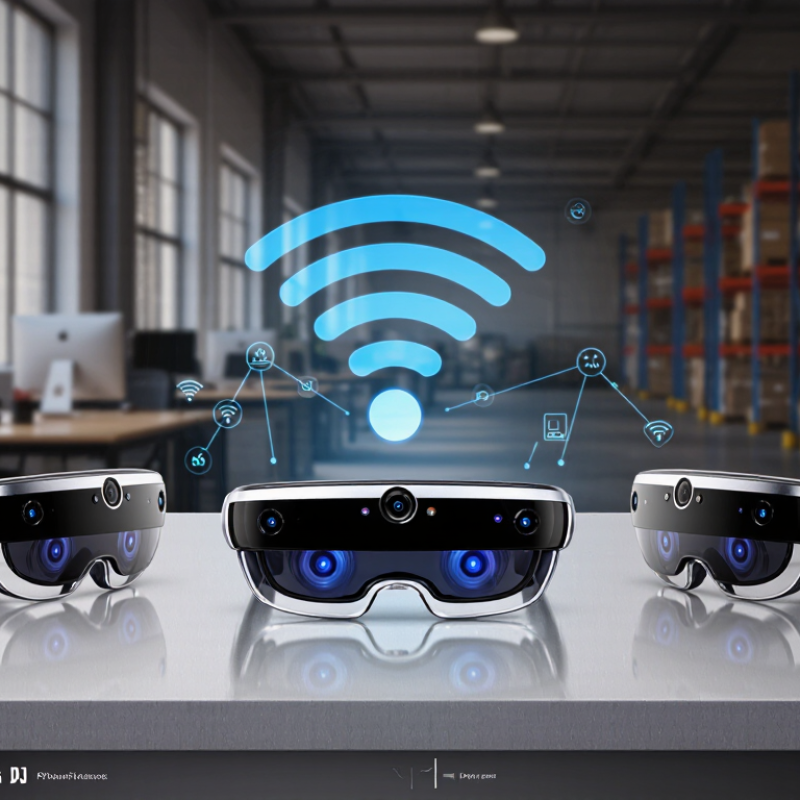
Market Overview of WiFi Video Recording Smart Glasses in China
China’s WiFi video recording smart glasses market is expanding through OEM, ODM, and specialized electronics suppliers.
The leading ten suppliers typically serve retail, industrial training, tourism, security documentation, and remote assistance sectors. Their products commonly combine discreet cameras, WiFi connectivity, microphones, local storage, and mobile applications. Demand is strongest for lightweight frames, stable wireless transfer, and practical battery life.
Supplier capability differs considerably. Experienced manufacturers usually provide optical customization, firmware development, sample testing, and small-batch production.
Buyers should examine video resolution, overheating control, charging time, lens quality, and application compatibility. Factory audits also matter.
Check quality systems, component traceability, after-sales response, and production consistency. Certification requirements may vary by destination market, so technical documents should be verified before shipment.
Privacy protection is becoming a central purchasing factor in China.
Reliable suppliers should support visible recording indicators, secure data transmission, access controls, and clear user notices. Recording must follow applicable privacy and consent rules.
Some suppliers advertise impressive battery figures, but real performance may fall during continuous WiFi use. That gap deserves attention.
No supplier is perfect. A careful buyer should request working samples, repeat tests, and written performance data before selecting a long-term partner.
Key Features and Technologies Used by Leading Suppliers
China Top 10 WiFi Video Recording Smart Glasses Suppliers
Leading suppliers focus on practical imaging rather than appearance alone. Many models use 1080p cameras, wide-angle lenses, and electronic stabilization for clearer walking footage. WiFi 5 or WiFi 6 can transfer clips quickly to a phone. However, real speed depends on distance, interference, and application quality. Small details matter.
Reliable designs often include dual microphones, noise reduction, and a physical recording indicator. Some suppliers add low-light enhancement, loop recording, local storage, and encrypted mobile connections. Battery capacity usually supports several hours, but continuous video can create heat. Engineers should test charging temperature, frame stability, and standby drain under daily conditions. Certification documents and factory inspection records also deserve careful review.
Comfort is another important technology. Lightweight frames, adjustable nose pads, and balanced components reduce pressure during extended use. Water resistance may protect against light rain, yet it does not guarantee safe use in every environment. Suppliers with stronger technical teams normally provide firmware updates, repair guidance, and clear data-handling policies. Their product testing should cover WiFi disconnection, sudden movement, and audio synchronization. No supplier gets every detail right. Marketing claims still need independent verification. Buyers should request sample units, inspect footage indoors and outdoors, and compare performance over several charging cycles. Privacy remains essential, so responsible designs should include visible recording signals and straightforward user controls.
China Top 10 WiFi Video Recording Smart Glasses Suppliers: Key Technologies
Indicative technology adoption benchmark across publicly documented WiFi video recording smart-glasses products. Percentages represent the share of reviewed product specifications mentioning each feature.
WiFi connectivity, Full HD recording, mobile-app support, and built-in microphones are the most commonly documented capabilities. Advanced features such as image stabilization, live streaming, and higher-resolution recording appear less consistently across supplier product ranges.
Selection Criteria for Ranking China’s Top 10 Suppliers
Ranking China’s top WiFi video recording smart glasses suppliers requires more than comparing catalog prices. Grand View Research estimated the global smart glasses market at about USD 1.8 billion in 2023, with strong growth expected through 2030. This expansion makes supplier verification essential. Our assessment gives higher weight to optical clarity, stable WiFi transmission, video latency, battery endurance, and manufacturing consistency. WiFi 6 can theoretically reach 9.6 Gbps, according to the Wi-Fi Alliance, but real performance depends on antenna design, software tuning, distance, and network congestion.
Testing should combine documents with physical samples. We inspect video resolution, microphone clarity, heat near the temples, charging cycles, and connection recovery after signal loss. A supplier should provide traceable quality records, production capacity evidence, and relevant safety documentation, including IEC 62368-1 testing where applicable. Privacy controls also matter. Recording indicators, secure firmware updates, data encryption, and clear user controls should be checked before ranking. Small details reveal large weaknesses.
Reliability needs repeated testing. One successful demonstration is not enough. We recommend multiple samples from different production batches, followed by stress tests and random inspections. After-sales response, defect handling, customization accuracy, and delivery stability influence the final score. Some suppliers may perform well in a showroom but fail under continuous recording. That gap deserves attention. Cost still matters, yet the lowest quotation can hide weaker components, unstable software, or limited quality control.
Profiles of the Top 10 Chinese Smart Glasses Suppliers
China’s smart glasses supply chain combines optical engineering, embedded software, and practical factory experience. The ten supplier profiles below reflect different strengths rather than identical product promises.
Supplier 1 focuses on lightweight frames and balanced battery placement.
Supplier 2 develops WiFi video recording modules for compact eyewear.
Supplier 3 offers prescription-lens integration and small-batch customization.
Supplier 4 specializes in stable mobile applications and remote firmware updates.
Supplier 5 supports private-label production with flexible frame designs.
Supplier 6 emphasizes acoustic clarity for calls and voice commands.
Supplier 7 works on heat control around cameras and processors.
Supplier 8 provides factory testing for charging, connectivity, and lens alignment.
Supplier 9 develops sports-oriented frames with stronger hinges and water resistance.
Supplier 10 combines industrial design with packaging and after-sales documentation.
Their capabilities may change between production cycles. Verify current samples.
Tips:
Request a working sample, not only catalog images. Test WiFi recovery after disconnection. Check recording indicators and user controls. Ask for battery results under continuous use. Confirm consent and privacy requirements for every target market.
A reliable supplier should explain component origins, testing procedures, and expected production limits. Factory visits can reveal assembly discipline, connector protection, and storage conditions. However, polished prototypes do not guarantee stable mass production. I would compare three sample batches before signing a large order. Some suppliers may communicate quickly but document poorly. That is a warning. Clear specifications, realistic delivery dates, and responsive technical support matter as much as appearance.
Applications, Compliance, and Purchasing Considerations
China’s top ten WiFi video recording smart glasses suppliers should be judged by application, not catalogue ranking. Retail audits, remote inspection, training, tourism, and field documentation require different camera systems. IDC reported 520.1 million wearable devices shipped worldwide in 2023. However, that figure excludes many recording-glass categories. A supplier with stable WiFi, low-latency preview, replaceable lenses, and clear storage controls may outperform a cheaper factory.
Compliance needs practical verification. Suppliers should provide accredited laboratory reports for radio performance, electrical safety, RoHS, REACH, and battery testing. Market access may also require FCC, CE, UKCA, or other regional approvals. Privacy controls matter equally. Look for a visible recording indicator, physical microphone control, user consent notices, and deletion functions. GDPR, CCPA, and China’s PIPL can create different data responsibilities. Deloitte’s 2024 Connected Consumer research also identifies privacy as a continuing barrier to connected-device adoption. A specification sheet can still be wrong. Sample testing is essential.
Tips: Request three production samples, not one. Test recording stability through walls and crowded networks. Check audio leakage, heat after thirty minutes, lens comfort, app permissions, firmware updates, and export formats. Ask who stores video, where servers operate, and how long data remains. Require written answers. Vague promises create purchasing risk. Field trials should include bright sunlight, weak WiFi, and moving subjects. These simple conditions often expose weaknesses hidden in polished demonstrations.
FAQS
They support retail audits, training, tourism, remote assistance, and field documentation. They are not suitable for hidden recording.
Compare video clarity, WiFi stability, audio quality, battery life, storage, and mobile application compatibility. Latency matters too.
Record continuously while WiFi remains active. Check heat near the temples, charging time, and operating duration. Advertised figures may be optimistic.
Request at least three samples from different production batches. Test each one under similar conditions. One successful demonstration proves little.
Test through walls, during network congestion, and at different distances. Check reconnection after signal loss. Crowded networks reveal weaknesses.
Look for a visible recording indicator, microphone control, access permissions, secure data transfer, and deletion functions. Users need clear notices.
Request safety reports, radio testing records, battery documents, material compliance files, and firmware information. Verify every document.
Review quality records, component traceability, factory consistency, customization accuracy, and after-sales response. A showroom can mislead.
Test bright sunlight, weak WiFi, moving subjects, and thirty minutes of continuous recording. Check lens comfort and audio leakage. Small details matter.
Conclusion
China’s market for WiFi Video Recording Smart Glasses is developing rapidly as manufacturers combine compact cameras, wireless connectivity, voice control, wearable comfort, and efficient battery systems. Leading suppliers are focusing on clear video capture, stable WiFi transmission, mobile application support, data protection, lightweight frames, and practical designs for professional and consumer use. This overview explains the technologies shaping the sector and the quality, innovation, production capacity, customization services, and after-sales support used to evaluate and rank the top ten suppliers.
The profiles of these suppliers highlight different strengths, including research and development, optical engineering, smart hardware integration, flexible manufacturing, and export experience. Potential applications include training, documentation, remote assistance, tourism, content creation, and other lawful scenarios where recording is transparent and authorized. Buyers should also consider product safety, privacy protection, regional communication requirements, certifications, warranty terms, software compatibility, minimum order quantities, and long-term supply reliability before making a purchasing decision.